

A wet basement wall can be unsettling. You may notice dark patches on concrete, dampness near the floor, peeling paint, or water droplets that were not there before. Sometimes the moisture appears only after a heavy rain. Other times, the wall feels damp during hot, humid weather even when it has not rained.
The important thing to know is that wet basement walls can have different causes. Some moisture comes from condensation in the air. Other moisture is coming through the foundation itself. The right response depends on where the water is coming from, which is why homeowners should avoid assuming every damp wall needs the same solution.
Condensation Can Make Basement Walls Feel Wet
In summer, warm outdoor air holds a lot of humidity. When that humid air enters a cool basement and touches a cold concrete wall, moisture can form on the surface. It is the same reason a cold glass of water “sweats” on a humid day.
Condensation is often mistaken for a basement leak. The wall may feel wet across a broad area instead of in one specific spot. You may also notice moisture on cold water pipes or windows at the same time. Exterior humid air, indoor humidity, and cool basement surfaces can all contribute to this type of moisture.
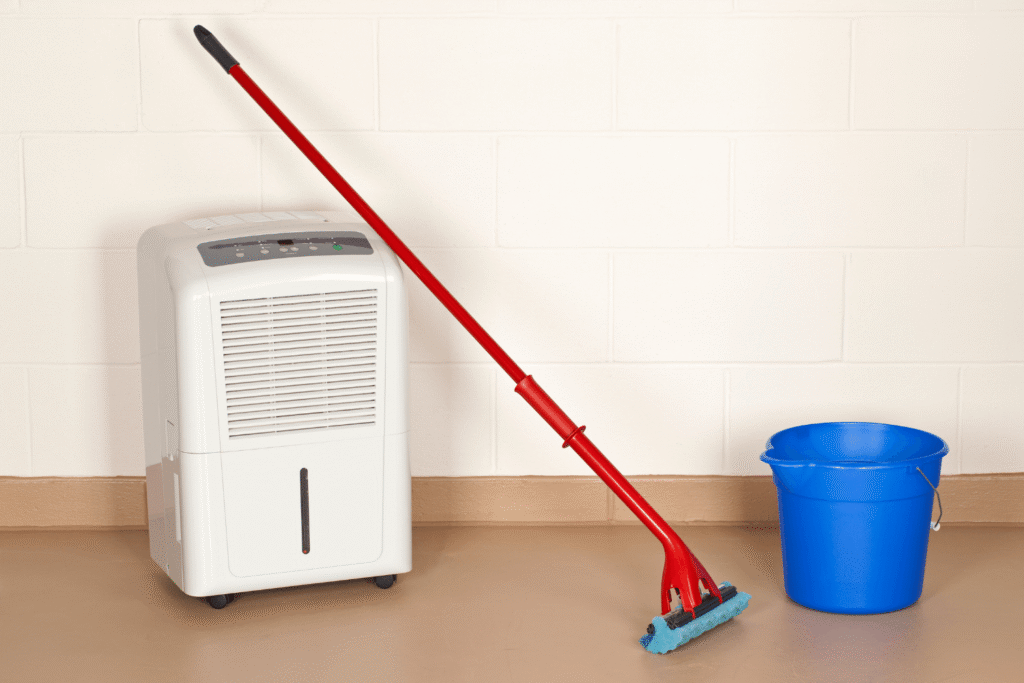
A dehumidifier can help manage a basement that is humid but otherwise dry. It is not a cure for actual water intrusion, though. If the wall is damp after every rain, water is pooling on the floor, or the problem continues despite humidity control, a professional should look for another cause.
Water Seepage Through Foundation Walls
Water can enter a basement when the soil around the foundation becomes saturated. After a strong summer storm or a long stretch of rain, that wet soil can put pressure against basement walls and floors. This is often called hydrostatic pressure.
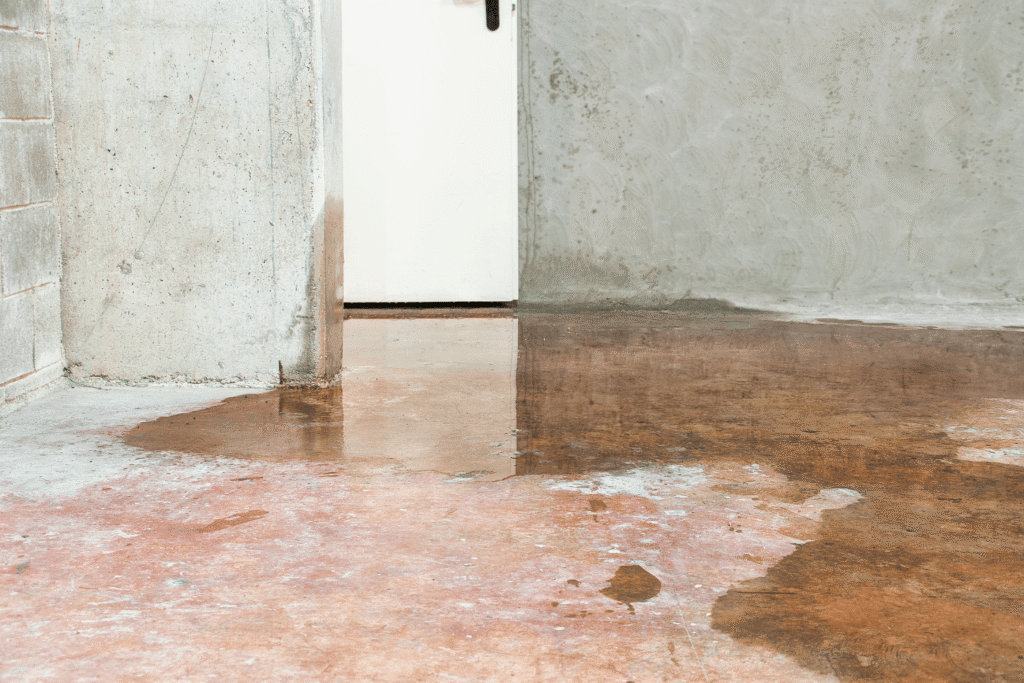
Concrete and masonry may look solid, but they can have tiny pores, cracks, joints, and gaps. When pressure builds outside, water can travel through those weak points and appear inside the basement. Water often shows up through wall cracks, along the wall-floor joint, or low on the foundation wall.
Seepage may look like:
- Damp streaks or darkened areas on the wall
- A wet line where the wall meets the floor
- Small puddles near the perimeter of the basement
- White, chalky residue called efflorescence
- Peeling paint or crumbling wall material
These signs do not tell you exactly which repair is needed. They do show that the basement needs more than a quick surface-level cleanup.
Poor Drainage Can Send Water Toward Your Foundation
Many wet basement walls start outside. Water needs somewhere to go when it falls on the roof or runs across the yard. If gutters overflow, downspouts empty beside the house, or the grade slopes toward the foundation, rainwater can collect where it causes the most trouble.
Over time, that repeated moisture can saturate the soil beside basement walls. It may then seep through foundation materials or create pressure against the walls and floor. Poor surface drainage, missing downspouts, and inadequate grading are common contributors to basement moisture problems.
After a storm, take a look around the exterior of your home. Watch for:
- Water pooling against the foundation
- Gutters spilling over their edges
- Downspouts ending too close to the house
- Low areas of soil that stay wet long after rain stops
- Water flowing toward the basement instead of away from it
These observations can be useful information during a professional inspection. A.M. Wall Anchor & Waterproofing offers downspout drainage and rain-conductor work, French drain installation, basement waterproofing, and foundation repair, allowing the team to consider both the exterior water path and what is happening inside the basement.
Foundation Cracks And Other Openings
A crack in a basement wall does not automatically mean the home has a major structural problem. However, cracks can give water a path into the basement. This is especially true when moisture appears in the same location after rain or snowmelt.
Other vulnerable areas include:
- The joint where the wall meets the floor
- Gaps around utility lines entering the home
- Basement windows and window wells
- Areas where previous repairs have deteriorated
You may be tempted to seal or paint over a damp area. That may temporarily change how the wall looks, but it does not identify why water is reaching the foundation or whether pressure is building outside. If the moisture keeps returning, it is best to have the source evaluated before covering the area again.
How To Tell If It Is Condensation Or Seepage
Homeowners do not need to diagnose a basement wall on their own, but the pattern of moisture can provide helpful clues.
| What You Notice | Possible Cause | What To Do Next |
| Dampness across much of the wall during hot, humid days | Condensation | Monitor humidity; use a dehumidifier if the basement is otherwise dry |
| Moisture appears after rain, especially in the same location | Water seepage or drainage issue | Document the pattern and schedule an inspection |
| Water at the wall-floor joint or on the basement floor | Groundwater pressure or drainage issue | Seek a professional basement waterproofing evaluation |
| White residue, peeling paint, or recurring stains | Ongoing moisture movement through masonry | Have the wall and surrounding drainage assessed |
| Cracks with recurring dampness nearby | Water entering through a crack or joint | Contact a foundation and waterproofing specialist |
Condensation may improve when humidity drops or the basement air is controlled. Seepage is more likely to return after weather events and may get worse as the surrounding soil stays saturated. Moisture can also come from more than one source, which is another reason an in-person inspection is more reliable than guessing based on one symptom.
What Homeowners Can Safely Do First
There are a few safe steps you can take while you monitor the situation:
- Take photos of damp areas, especially after rain.
- Note the weather conditions and how long the wall stays wet.
- Keep storage boxes, furniture, and rugs away from the damp wall.
- Clear gutters and check that downspouts direct water away from the home.
- Run a dehumidifier if the basement is humid but there is no active water intrusion.
Avoid treating recurring moisture as a cosmetic issue. Waterproof paint, patch products, and air fresheners may hide signs for a while, but they will not solve water that is being directed toward the foundation or pushed through the wall.
When To Call A Professional
It is a good idea to schedule an inspection when basement wall moisture is persistent, gets worse after rain, or comes with visible damage. Call sooner if you notice pooling water, spreading stains, mold or mildew, significant cracking, bowing walls, or a strong musty odor.
A professional inspection should look beyond the wet spot itself. The goal is to identify how water is reaching the foundation, whether drainage is contributing to the issue, and whether any structural concerns need attention. AM can evaluate the foundation or basement repair work needed and offers services that include waterproofing, foundation repair, French drains, sump pump work, excavation, and drainage solutions.
Do Not Ignore Recurring Dampness
A wet basement wall is not always an emergency, but it is always worth understanding. Condensation may be manageable with humidity control. Recurring seepage, staining, or water after rain often means your home needs a closer look.
If you are seeing wet basement walls in your Western Pennsylvania home, contact A.M. Wall Anchor & Waterproofing for a professional inspection. The team can help identify whether your issue stems from humidity, drainage, foundation seepage, or another cause, then explain the appropriate next steps for keeping your basement dry.