

If your basement feels noticeably more humid, sticky, or musty once warm weather arrives, you’re not imagining it. Summer brings a specific set of conditions that make basements feel worse, even if you haven’t had visible water problems during other seasons. Understanding why this happens, and what you can safely do about it, helps you tell the difference between normal seasonal changes and signs of a bigger moisture issue that needs professional attention.
Why Basements Get More Humid in Summer
Basements are naturally cooler than the rest of your home because they’re surrounded by soil and shielded from direct sunlight. In winter, that keeps them from freezing. In summer, it creates the perfect environment for condensation and humidity buildup.
Warm, Humid Air Meets Cool Surfaces
When hot, moisture-laden summer air enters your basement, through windows, vents, doorways, or cracks, it comes into contact with cool concrete walls and floors. As the air cools, it can no longer hold as much moisture, so water vapor condenses on those surfaces. You might notice:
- A slick or damp feeling on basement walls and floors
- Condensation on cold water pipes
- A general “clammy” atmosphere that feels uncomfortable
This process is similar to what happens when you take a cold drink outside on a humid day and the glass immediately sweats. Your basement walls are doing the same thing all summer long.
Higher Outdoor Humidity Levels
Summer in many regions brings not just heat, but humidity. Even on days without rain, outdoor humidity can climb to 70%, 80%, or higher. If your basement has any connection to the outdoors: open windows for ventilation, foundation vents, or small cracks in the foundation, that humid air is coming inside and staying there.
Poor Air Circulation
Basements typically don’t have the same airflow as upper floors. Without windows on multiple walls or forced-air ventilation, humid air settles and lingers. Stagnant, humid air creates ideal conditions for mold, mildew, and that unmistakable musty smell.
When Summer Humidity Becomes a Bigger Problem
Not all basement humidity is cause for alarm. A slightly damp feeling during the most humid weeks of summer may be normal, especially in older homes. But certain signs suggest you’re dealing with more than just seasonal condensation.
Watch for these warning signs:
- Visible water pooling on the floor, especially near walls or in corners
- Persistent musty odors that don’t improve even when you run a dehumidifier
- Mold or mildew growth on walls, ceiling joists, stored boxes, or fabrics
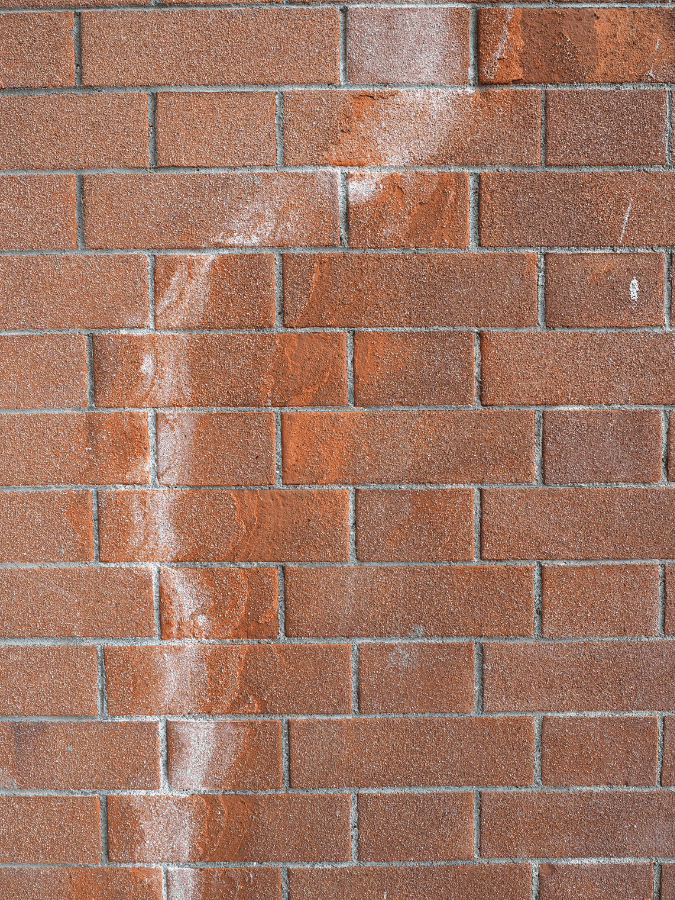
- Efflorescence (white, chalky mineral deposits) on concrete, which indicates water moving through the foundation
- Damp or discolored spots on drywall, insulation, or wood framing
- Condensation that never dries, even on warm, dry days
If you’re seeing any of these, the issue goes beyond normal summer humidity. You may be dealing with groundwater intrusion, foundation cracks, poor exterior drainage, or inadequate waterproofing, all of which need professional evaluation.
What Homeowners Can Safely Do About Summer Basement Humidity
There are several straightforward steps you can take to manage normal seasonal humidity without making the problem worse.
1. Use a Dehumidifier, But Only if the Space is Dry
A dehumidifier works well in a basement that’s humid but not actively wet. If you’re dealing with standing water, visible leaks, or surfaces that stay wet to the touch, a dehumidifier won’t solve the underlying problem. It will just run constantly while fighting a losing battle.
For normal humidity:
- Choose a dehumidifier rated for your basement’s square footage
- Set it to maintain humidity between 30% and 50%
- Empty the tank regularly or connect it to a drain if possible
- Clean the filter as recommended to keep it running efficiently
2. Improve Ventilation Carefully
It seems logical to open basement windows on a nice summer day to “air things out.” But if the outdoor air is more humid than your basement air, you’re actually making things worse by inviting more moisture inside.
Instead:
- Open windows only on dry, low-humidity days (check outdoor humidity levels first)
- Use exhaust fans if you have them, particularly after activities that add moisture (laundry, showers)
- Avoid leaving windows or vents open during the most humid parts of the day
3. Check Gutters and Downspouts
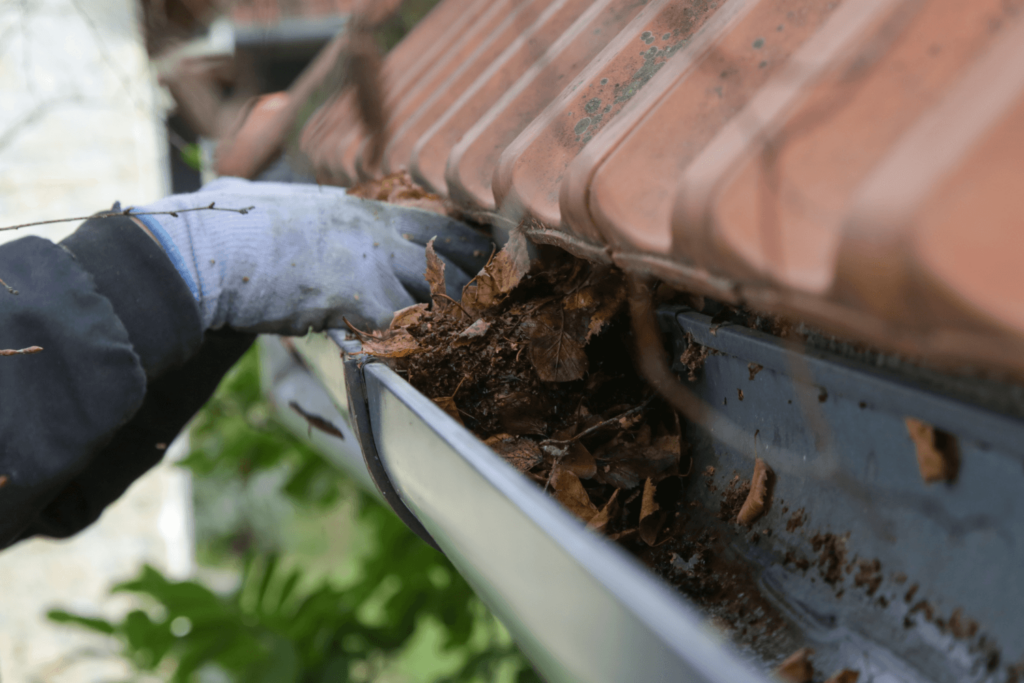
One of the most common causes of basement moisture, summer or otherwise, is water pooling near your foundation. Heavy summer storms dump a lot of water quickly, and if your gutters are clogged or your downspouts drain too close to the house, that water is working its way into your basement.
Walk around your home and make sure:
- Gutters are clear of leaves and debris
- Downspouts extend at least 4-6 feet away from the foundation
- The ground slopes away from your home, not toward it
- These are safe, inexpensive fixes that can make a real difference.
4. Avoid Sealing or Finishing Over the Problem
When a basement feels damp and musty, the instinct is often to cover it up: paint the walls with waterproof sealant, install new flooring, or finish the space to make it more livable. But if moisture is actively coming through the foundation, sealing over it can trap water inside your walls and make structural damage worse.
If you’re thinking about basement improvements, address moisture issues first, then finish. Not the other way around.
5. Monitor and Document Changes
If humidity seems worse this summer than in past years, or if you’re noticing new damp spots, take photos and keep notes:
- When does the basement feel most humid (after rain, on particularly hot days, all the time)?
- Where do you see condensation or dampness?
- Has anything changed recently (landscaping, grading, gutters, heavy storms)?
This information is extremely helpful if you decide to call a professional. It gives them a clearer picture of what’s happening and when.
When to Call a Professional
If your basement humidity is persistent, worsening, or accompanied by any of the warning signs listed earlier, it’s time to move beyond dehumidifiers and DIY fixes. A basement waterproofing or foundation repair specialist can:
- Inspect your foundation for cracks, gaps, or structural issues
- Evaluate exterior drainage and grading around your home
- Identify whether water is entering through the walls, floor, or joints
- Recommend solutions tailored to your home’s specific conditions (interior drainage, exterior waterproofing, vapor barriers, sump pumps, etc.)
You’re not expected to diagnose the root cause on your own. A professional inspection gives you clarity, and it’s almost always less expensive to address moisture problems early than to wait until mold, structural damage, or major leaks force your hand.
Summer Humidity Is Common, But It Shouldn’t Be Ignored
A slightly more humid basement in summer is normal for many homes, especially older ones in regions with warm, wet summers. But if that humidity comes with persistent dampness, musty smells, visible moisture, or mold growth, you’re dealing with something that won’t resolve on its own.
Taking a few preventative steps; running a dehumidifier, fixing gutters, improving drainage, can help manage seasonal humidity. But if the problem persists or worsens, don’t wait until fall to address it. Moisture issues don’t improve with time; they just spread.
If you’re a homeowner in Western Pennsylvania dealing with a damp, humid basement this summer, A.M. Wall Anchor & Waterproofing can help. Schedule a professional basement inspection to find out what’s causing the moisture, whether it’s a seasonal issue or a structural concern, and what steps will keep your basement dry and healthy year-round.