
Noticing water droplets or dampness on your basement walls during winter can be confusing, especially if you’re not seeing active leaks. Many homeowners assume this is normal condensation caused by cold weather, but in some cases, it can point to a deeper moisture issue.
Condensation on basement walls is a frequent winter complaint in Western Pennsylvania homes, particularly older properties. Understanding when it’s harmless and when it’s a warning sign can help you protect your basement and foundation before small problems turn into costly repairs.
Why Condensation Happens in Winter
Condensation forms when warm, moist indoor air meets cold surfaces. During winter, basement walls are especially vulnerable because they’re in direct contact with cold soil outside.
When that warm air hits cold concrete or masonry walls, moisture in the air turns into liquid water. This is why condensation tends to appear suddenly when temperatures drop, even if your basement was dry all summer.
In winter, homes are also sealed more tightly. Windows stay closed, ventilation decreases, and humidity from everyday activities like cooking, laundry, and showering has fewer places to escape. The basement becomes a natural collection point for that moisture.
Why Basement Walls Are More Affected Than Other Areas
Concrete and masonry walls are naturally porous and stay colder than interior walls. Unlike drywall upstairs, basement walls don’t warm up easily, and that temperature difference makes them prime targets for condensation.
In Western PA, clay-heavy soil holds moisture against foundation walls longer during winter thaws. This keeps basement walls cold and damp, creating the perfect environment for condensation to form.
Condensation on Basement Walls vs. a Basement Leak
One of the most common homeowner questions is whether moisture on basement walls is “just condensation” or an actual leak.
Condensation usually:
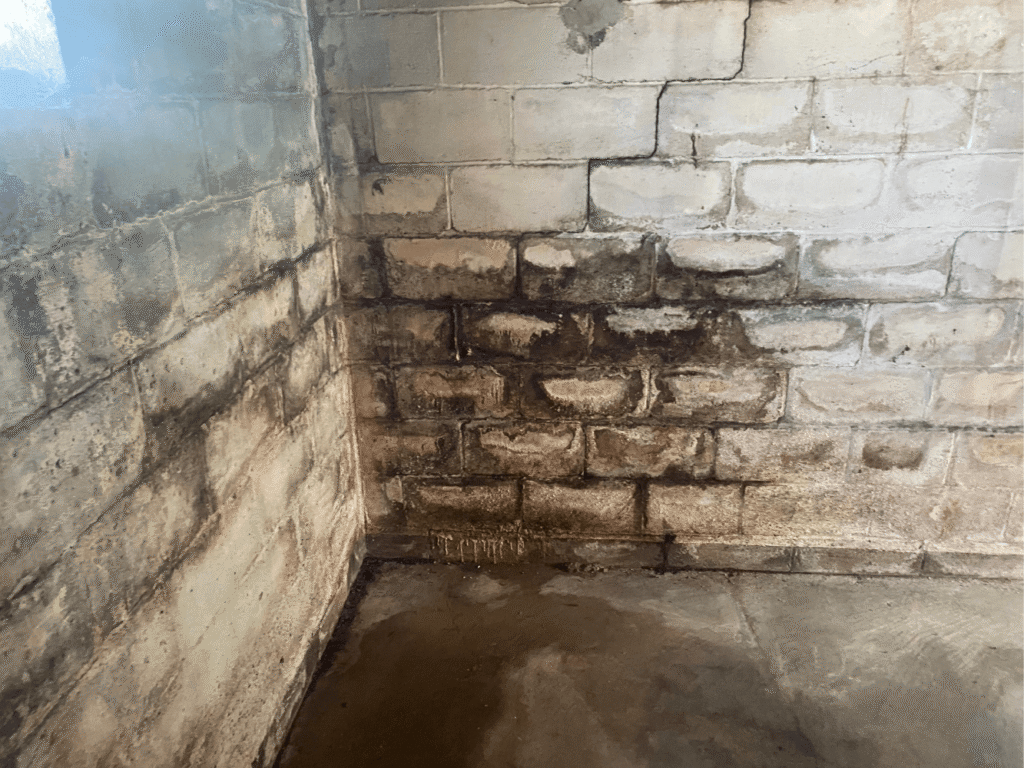
- Appears evenly across wall surfaces
- Worsens during cold weather
- Dries up when humidity drops
- Isn’t tied to specific cracks or wall joints
Leaks, on the other hand, tend to:
- Follow cracks, seams, or mortar lines
- Appear after heavy rain or snowmelt
- Leave staining or mineral deposits
- Persist regardless of indoor humidity
The challenge is that condensation can hide leaks. Excess moisture from condensation can make it difficult to tell whether water is entering from outside, especially in winter.
When Condensation Becomes a Bigger Problem
While light condensation can be normal, persistent moisture is not something to ignore. Over time, condensation can lead to mold growth, musty odors, rusting appliances, and deterioration of stored items.
If you’re seeing moisture day after day, or noticing it spreading to new areas, it may indicate that indoor humidity levels are too high or that moisture is entering from outside and further cooling your walls.
This is especially concerning if condensation is paired with:
- Musty basement smells
- Visible mold or mildew
- Efflorescence (white powder on walls)
- Damp basement floors
Condensation on Basement Floors: What It Means
Condensation doesn’t just affect walls. Basement floors often feel damp in winter because cold concrete slabs cause moisture in the air to condense on the surface.
If your basement floor is consistently damp, it could signal:
- Poor air circulation
- High indoor humidity
- Ground moisture rising through the slab
- Inadequate drainage beneath the foundation
Floor condensation often occurs alongside wall moisture and may indicate broader basement moisture-control issues, not just surface humidity.
How to Prevent Condensation on Basement Walls
Preventing condensation starts with controlling moisture and temperature differences. While dehumidifiers can help, they’re rarely a complete solution on their own.
Effective prevention may include:
- Improving basement ventilation to reduce trapped humidity
- Sealing air leaks that allow warm air to hit cold surfaces
- Installing vapor barriers on basement walls
- Managing exterior drainage to reduce moisture against the foundation
- Addressing groundwater pressure with drain tile or sump systems
If condensation keeps returning despite basic fixes, it’s often a sign that moisture is entering from outside, not just forming from indoor air.
Why Dehumidifiers Alone Often Aren’t Enough
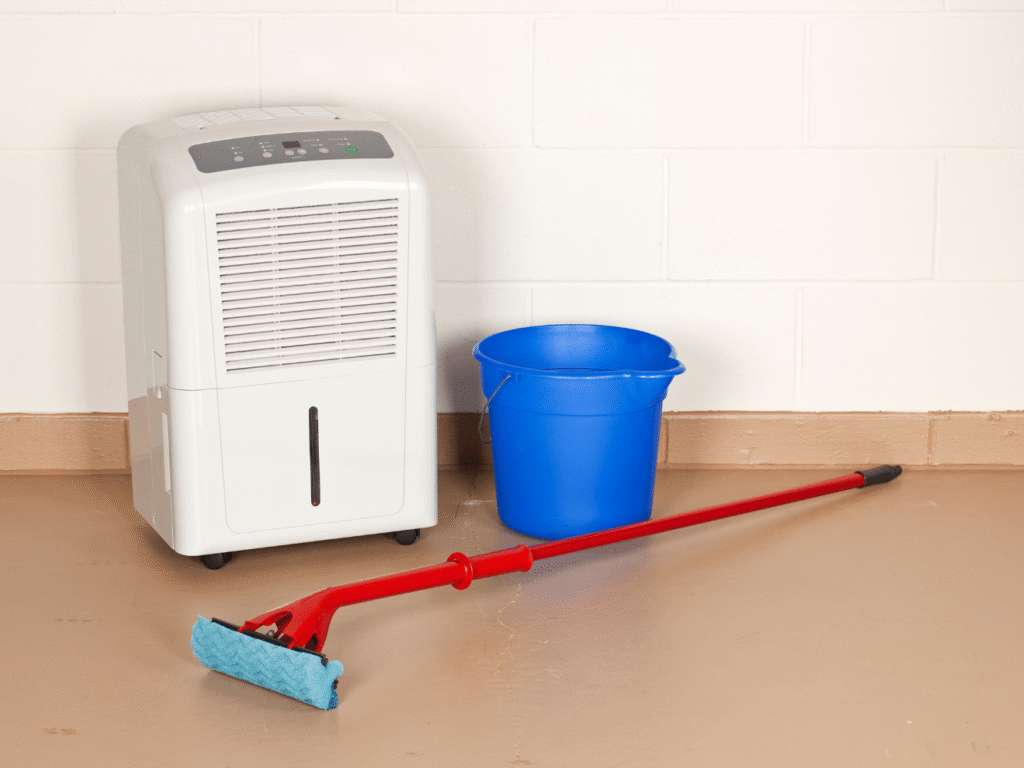
Many homeowners rely on dehumidifiers as a first step, which can help reduce moisture levels temporarily. However, if the source of moisture isn’t addressed, condensation will continue to return, especially during winter temperature swings.
Dehumidifiers treat the symptom, not the cause. If water is being forced toward your foundation or seeping through walls, condensation will persist no matter how much you run the unit.
Why This Is Common in Western Pennsylvania Homes
Western PA homes face unique challenges. Older construction, porous foundation materials, clay soil, and frequent freeze-thaw cycles all contribute to winter moisture issues.
Homes built decades ago often lack modern vapor barriers or drainage systems, making them more susceptible to condensation and moisture buildup during colder months.
Don’t Ignore Winter Condensation
Condensation on basement walls in winter may look harmless, but it’s often your home’s first warning sign of a moisture problem. Left unchecked, it can lead to mold, structural damage, and costly repairs once spring arrives.
If your basement walls or floors stay damp through the winter, it’s worth having a professional take a closer look.
AM Wall Anchor & Waterproofing helps homeowners identify the true source of basement moisture and recommend lasting solutions, not just temporary fixes. Schedule an inspection today to protect your basement before winter issues turn into springtime damage.