
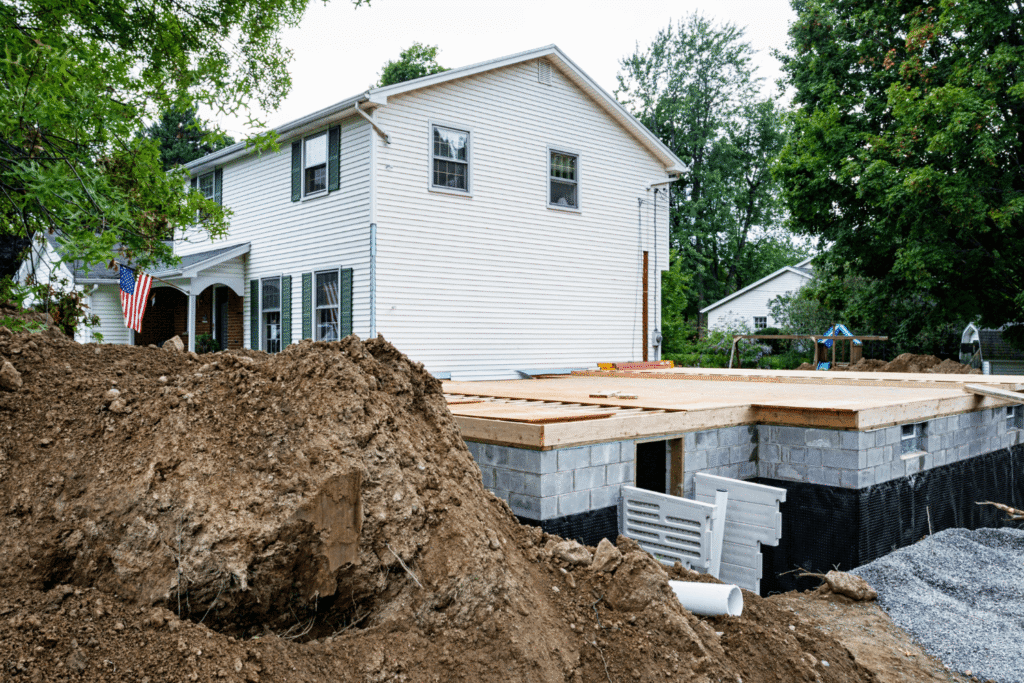
Adding space to your home is exciting. A new family room, sunroom, porch, or garage can make the house feel more functional and comfortable. When planning these projects, most homeowners focus on design, finishes, and budget. What often gets overlooked is how the addition will affect the foundation and drainage around the rest of the structure.
A home addition changes how weight sits on the soil and how water moves around the property. If those changes are not handled carefully, they can lead to basement leaks, soil movement, and new foundation problems. Understanding these risks helps you ask better questions before and after a project, and it makes it easier to know when to bring in a foundation or waterproofing specialist.
How Home Additions Change Your Foundation System
Your original home was built with a specific footprint, foundation type, and drainage plan. When you add a structure, you alter that system.
New Loads On Existing Soil
Every addition places new weight on the ground. That weight might sit on a slab, on footings, or on piers, but all of it transfers into the soil. If the soil was not compacted properly or is prone to movement, new loads can cause shifting that eventually affects nearby walls or floors.
For example, a new garage or room placed close to the existing foundation can add pressure to soil that already supports part of your home. Over time, this can show up as cracks, settling, or changes in how doors and windows operate.
Meeting Points Between Old And New Structures
Where the addition connects to the existing home is often the most vulnerable spot. The two structures may move differently because they sit on different soil conditions or have different foundation designs. That movement can create:
- Cracks where interior walls meet
- Gaps at ceilings or baseboards
- Hairline cracks that follow the line where the new space joins the old
These are surface clues that the meeting point between foundations deserves a closer look.
How Additions Can Disrupt Drainage
Drainage issues are one of the most common reasons that basements begin leaking after an addition. Even if the basement stayed dry before, changes to roofs and grading can redirect water in ways that put new stress on the foundation.
New Roof Lines And Gutters
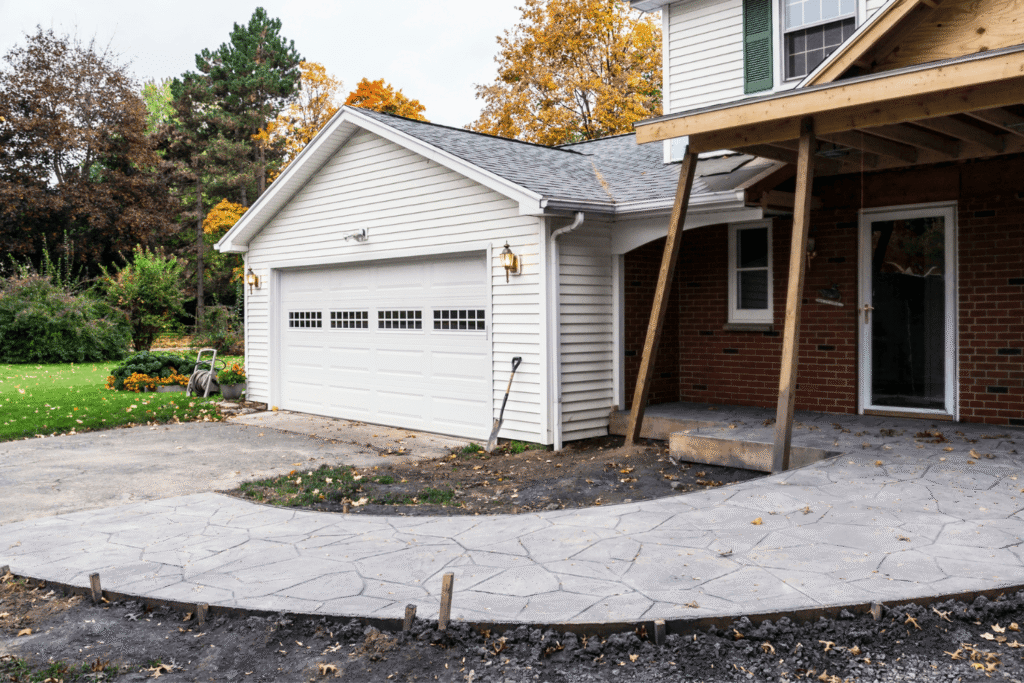
A new roof section alters how rain falls and where it lands. If gutters and downspouts are not adjusted to carry water away from the foundation, the added runoff can create trouble. Water that used to fall harmlessly into the yard may now pour into a corner next to the basement wall.
Without proper downspout extensions and grading, the extra water can collect along the base of the home, soak the soil, and increase the pressure against basement walls and floors.
Changes To Grading And Hard Surfaces
Many additions involve new concrete or hard surfaces such as patios, porches, driveways, or walkways. Hard surfaces shed water rather than absorb it. If they are sloped toward the foundation or do not have proper drains, water can flow directly toward the basement.
Even small changes in grading can matter. Removing landscaping, adding soil, or cutting into a slope can all change how water runs during storms. Pools of standing water near the foundation are a clear sign that the grading needs attention.
Common Types Of Additions That Create Foundation And Drainage Issues
Not every addition causes problems, but certain projects are more likely to change how water and weight interact with your home.
Enclosed Porches And Sunrooms
Turning a porch into a sunroom or enclosing a patio can place new loads on areas that were not originally designed to support full living spaces. These projects often involve new roof sections and may rely on shallow foundations that interact poorly with freeze and thaw cycles.
If the new space sits over or near a basement wall, any settling can transfer stress to that wall and show up as cracks or bowing.
Room Additions Over Existing Basements
Adding a room above part of the basement increases the load on that section of the foundation. If the basement walls already had minor cracks or signs of movement, the extra weight may make those issues worse.
This type of project also changes how water runs off the expanded roof. Without updated drainage planning, homeowners sometimes notice new leaks along basement walls directly below the addition.
Attached Garages And Large Driveways
Attached garages and expanded driveways place combined loads and water flow near the foundation. Vehicles add weight. Concrete and asphalt shed water. If the garage foundation and driveway create a low spot or slope back toward the home, storm water can find its way into the basement or crawl space.
Early Warning Signs After A Home Addition
You do not need engineering experience to spot potential issues. After an addition is complete, pay attention to small changes around your home.
Changes Inside The Home
Inside the house, watch for:
- New cracks in drywall near the connection between rooms
- Doors or windows that begin to stick or no longer latch smoothly
- Gaps appearing or widening between trim and walls
These changes can be cosmetic at first, but they may signal underlying movement in the foundation or framing near the addition.
Changes In The Basement Or Crawl Space
In the basement or crawl space, check for:
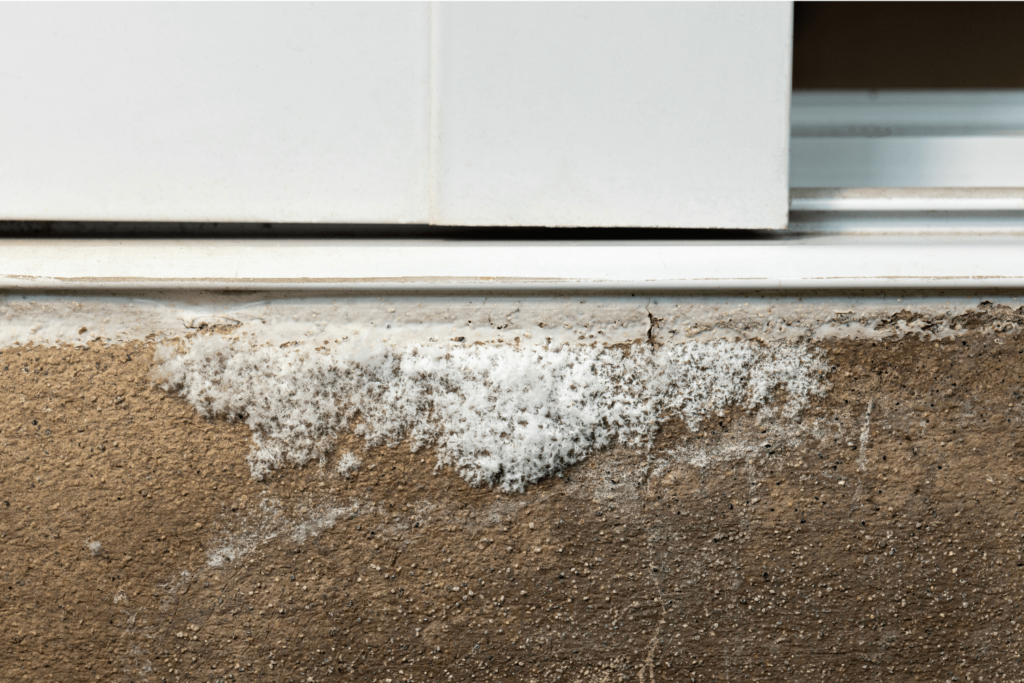
- Damp spots on walls or floors in the area beneath or next to the addition
- New cracks that form or widen over time
- Efflorescence, the white chalky residue, appearing where it did not exist before
- Musty odors that seem stronger near the new construction area
- Recurring dampness or staining is especially important to note, even if the water seems minor.
Changes Outside Around The Foundation
After heavy rain, walk the perimeter of the home. Look for:
- Water pooling next to foundation walls, especially near the addition
- Downspouts that release water close to the house instead of away from it
- Areas where the ground has settled or created low spots that hold water
Any standing water against the foundation is a clear sign that the addition altered drainage in a way that needs correction.
Why Home Addition Problems Are Not A DIY Fix
When issues show up after an addition, it can be tempting to chalk them up to “new house settling” or to patch cosmetic damage. A bit of caulk or a fresh coat of paint may hide cracks temporarily, but they do not solve movement or moisture at the foundation level.
Structural loads and drainage patterns interact in complex ways. Trying to diagnose and repair foundation or basement problems without professional experience can lead to:
- Misreading serious issues as minor ones
- Choosing a solution that treats symptoms but not causes
- Spending money on repairs that fail when the next storm or season arrives
A foundation and waterproofing specialist looks at the entire system, including the original home and the addition, and can recommend solutions that address both.
When To Call A Professional After An Addition
It is wise to call a professional if you notice any of the following after a home addition:
- Cracks that grow or keep returning after patching
- Doors and windows that become harder to operate over time
- New or worsening basement leaks under or adjacent to the addition
- Visible water pooling near the foundation after storms
- Signs of bowing or movement in basement walls
Even if the addition passed inspection when it was built, conditions can change as soil settles and weather tests the new layout. An independent evaluation by a foundation and waterproofing expert provides clarity and peace of mind.
Planning Future Projects With Your Foundation In Mind
If you are still in the planning phase for an addition, consider involving a foundation or waterproofing specialist early. They can help:
- Review proposed foundation designs and how they interact with existing structures
- Suggest drainage improvements that keep water away from the house
- Identify areas where soil conditions may need special attention
Thinking about foundation and drainage before construction begins is easier than correcting problems after the fact.
Protecting Your Investment When Your Home Grows
Home additions can make a house more livable and enjoyable. They should not create new foundation cracks, basement leaks, or drainage headaches. By understanding how additions change loads and water flow, watching for early warning signs, and bringing in professionals when needed, you can protect both the new space and the original structure.
If you live in Western Pennsylvania and have noticed changes around your foundation or basement after an addition, consider contacting a local foundation and basement waterproofing company for a thorough inspection. A clear picture of what is happening below and around your home makes it easier to keep every part of the structure stable and dry.