
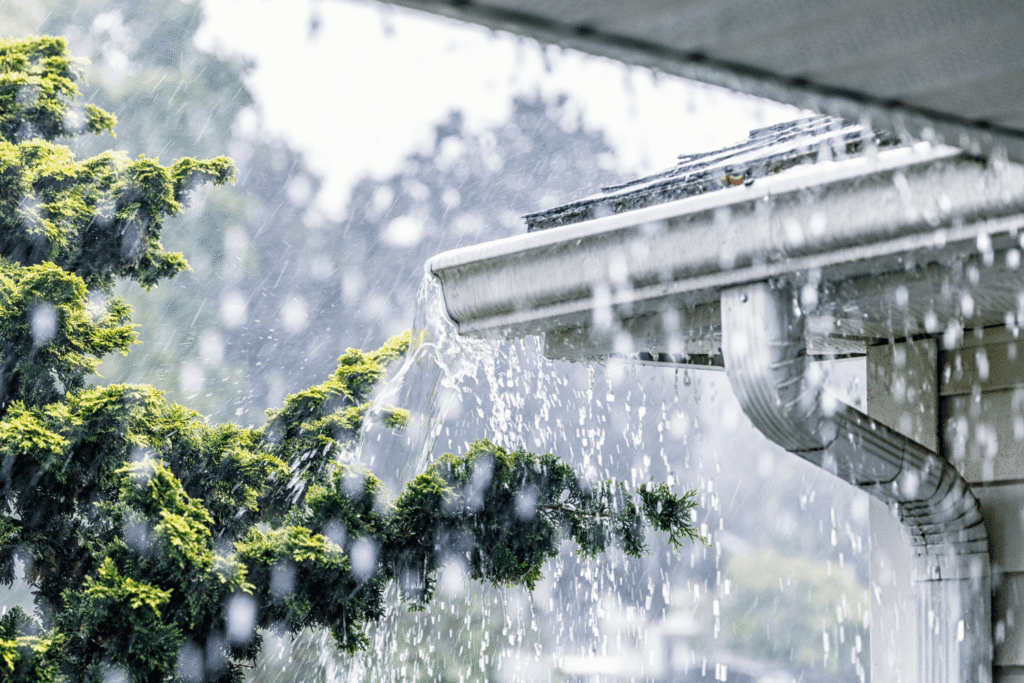
When a summer storm rolls through Western Pennsylvania, it can dump a lot of water in a short amount of time. For many homeowners, that is when basement problems suddenly show up. Maybe you see water seeping in along one wall, a damp corner that only appears after downpours, or a puddle around the floor drain. Basement leaks during heavy rain are common, but they are not something to ignore.
Understanding what to watch for when summer storms hit can help you decide when it is time to bring in a professional for a closer look. Catching early warning signs now can prevent bigger basement and foundation issues later.
Why Summer Storms Trigger Basement Leaks
Summer storms tend to bring intense, short bursts of rain rather than slow, steady showers. That sudden volume of water can overwhelm gutters, downspouts, yard drainage, and older waterproofing systems.
A few things often happen at once:
- The ground around your home becomes saturated.
- Water collects near the foundation if grading or downspouts are not doing their job.
- Hydrostatic pressure (the force of water pushing against basement walls and floor) increases.
If there are weak points in your foundation, cracks, gaps at the wall‑floor joint, or an undersized drainage system, that extra pressure looks for the easiest way in.
Common Places Where Storm Water Shows Up
Basement leaks do not always look like a flooded floor. Sometimes the signs are subtle, especially the first time you notice them.
Along The Wall-Floor Joint
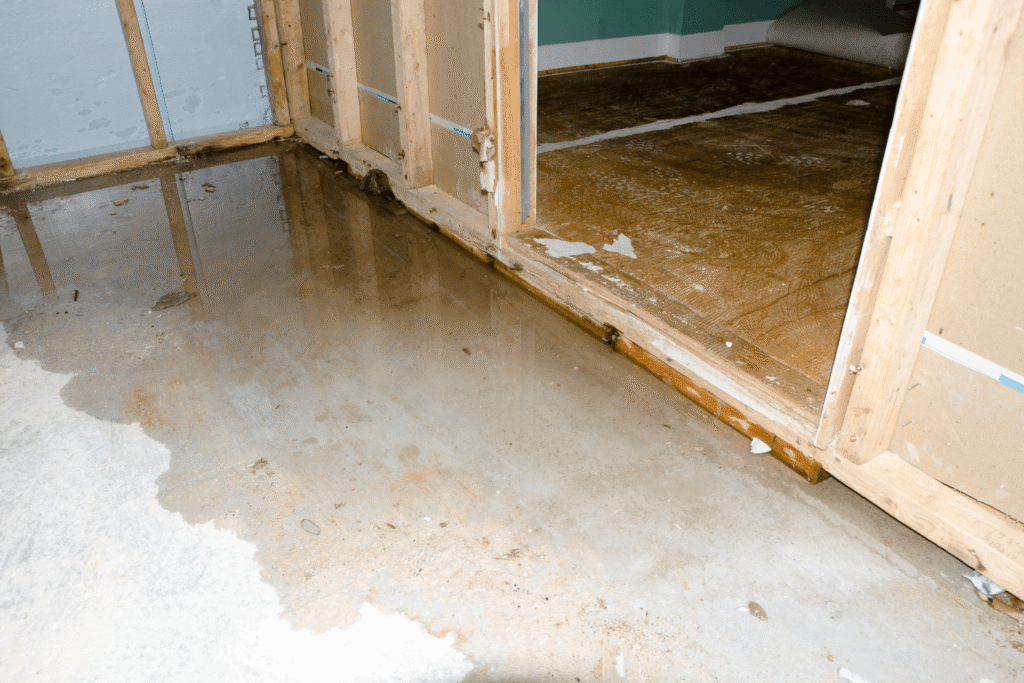
One of the most common leak locations is the joint where the basement wall meets the floor. This is a natural weak spot. When water pressure builds outside, it can push moisture through that joint and create a line of dampness or a thin stream along the edges of the room.
Through Wall Cracks
Hairline or larger cracks in concrete or block walls can become water pathways during storms. You may notice dark, damp streaks on the wall after rain or find small puddles forming directly below crack lines.
Around Windows And Window Wells
Basement windows and their wells collect a lot of runoff during storms. If the well is not draining properly or the window seal is failing, water can seep in around the frame or under the sill. In some cases, a clogged or poorly graded window well can send water straight down against your foundation.
Through The Floor
Sometimes water appears in the middle of the basement floor, especially in homes with higher water tables. This can be a sign that groundwater is pushing up from beneath the slab when the soil is saturated.
Patterns To Watch For After Heavy Rain
Paying attention to where and when water shows up during and after storms gives valuable clues about what may be going on.
Does It Only Happen In Heavy Rain?
If the basement only leaks during very heavy storms, the issue may be tied to overloaded gutters, downspouts, or surface drainage. That still needs attention, but it is different from a basement that stays damp or leaks after almost every rain.
Does It Always Show Up In The Same Spot?
Water that consistently appears in the same area suggests a specific weak point: a crack, a window, a low spot in the yard, or a section of wall taking more pressure than the rest. A professional can use that information to trace the likely path of water and recommend the right fix.
How Fast Does Water Appear And Disappear?
Water that appears quickly when it starts raining and disappears soon after may point to surface water issues. Moisture that seeps in hours later and lingers can be a sign of deeper groundwater or hydrostatic pressure problems.
Simple Checks Homeowners Can Do
There are a few safe steps homeowners can take to reduce storm‑related leaks and gather helpful information before calling in a basement waterproofing specialist.
Look At Gutters And Downspouts During A Storm
When it is safe to step outside, check that gutters are not overflowing and that downspouts are directing water several feet away from the foundation. AM Wall Anchor & Waterproofing offers downspout drainage and rain conductor solutions, which shows how important this piece is for keeping basements dry.
Questions to ask yourself:
- Are gutters spilling over the edges like a waterfall?
- Do downspouts dump water right next to the house?
- Is water pooling near the foundation or flowing away?
Check Grading Around The Home
The ground should slope away from your foundation, not toward it. Over time, soil can settle and create low spots where water collects. After a storm, look for areas where water sits against the house or flows toward the basement walls.
Inspect Inside Right After A Storm
The best time to see basement leaks is shortly after the rain has fallen. Walk the basement and look for:
- Damp lines along the wall‑floor joint
- Wet spots on walls or near cracks
- Puddles or damp patches on the floor
- Moisture around windows and window wells
Take photos and, if possible, note what the weather was like each time the leak appeared. This record is helpful for any contractor who inspects your basement.
When Storm-Related Leaks Mean It Is Time To Call A Pro
Some one‑time, very minor dampness may not require immediate repair. However, certain patterns and signs mean it is time to stop watching and start acting.
Consider calling a basement waterproofing and foundation specialist when:
- Water appears after more than one heavy rain.
- The same spot leaks repeatedly, even in smaller storms.
- Musty odors develop or worsen after rain.
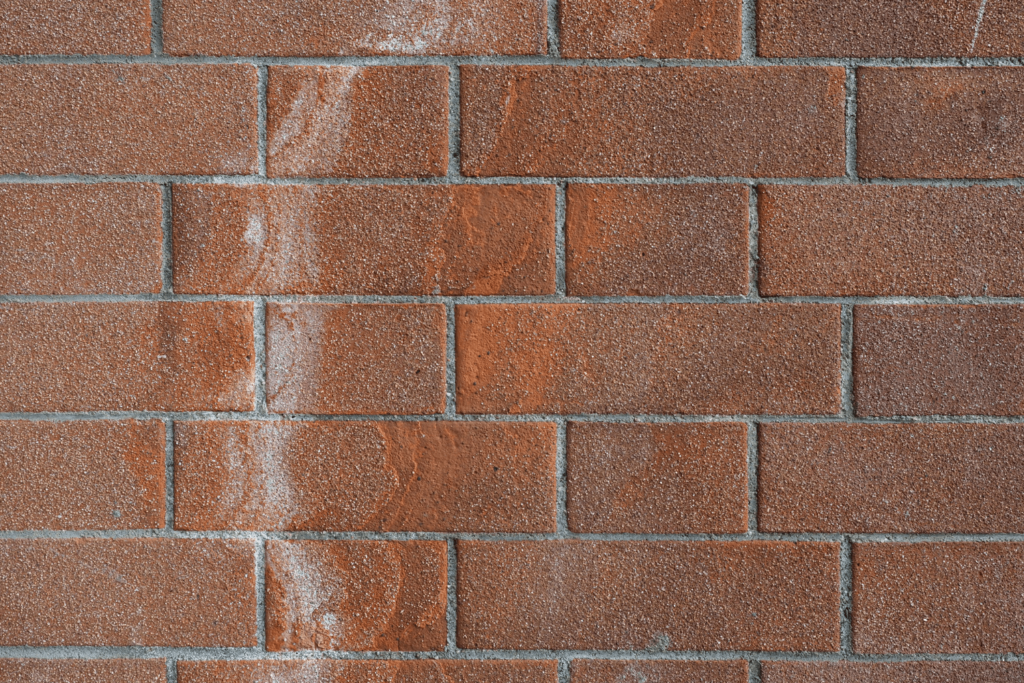
- You see staining, peeling paint, or efflorescence (white, chalky residue) on walls.
- You notice cracks widening over time or walls starting to bow.
Basement leaks during heavy rain rarely fix themselves. Western Pennsylvania weather guarantees more storms ahead, so recurring leaks are a sign that the system is already struggling.
How A Professional Inspection Helps
A professional basement and foundation inspection looks beyond the visible water to uncover the real cause. A company like A.M. Wall Anchor & Waterproofing can:
- Examine interior walls, floors, and leakage patterns
- Check exterior grading, gutters, and downspouts
- Evaluate existing drainage systems, sump pumps, or French drains
- Look for cracks, movement, or other foundation issues
From there, they can recommend solutions suited to your home, whether that means improving surface drainage, installing or upgrading a sump and drain system, or addressing structural concerns with foundation repair or wall anchors.
Summer Leaks Are Early Warnings
Seeing water in the basement during a big summer storm can be alarming, but it is also an opportunity. Those leaks are early warning signs that give you a chance to fix underlying problems before they become serious foundation or mold issues.
Pay attention to where water shows up, how often it happens, and how long it sticks around. Simple checks outside and inside can help, but ongoing leaks should not be managed with fans and towels alone. If your basement leaks during heavy rain or summer storms in Western Pennsylvania, consider scheduling an inspection with A.M. Wall Anchor & Waterproofing to find out what is going on and what it will take to keep your basement dry for the long term.