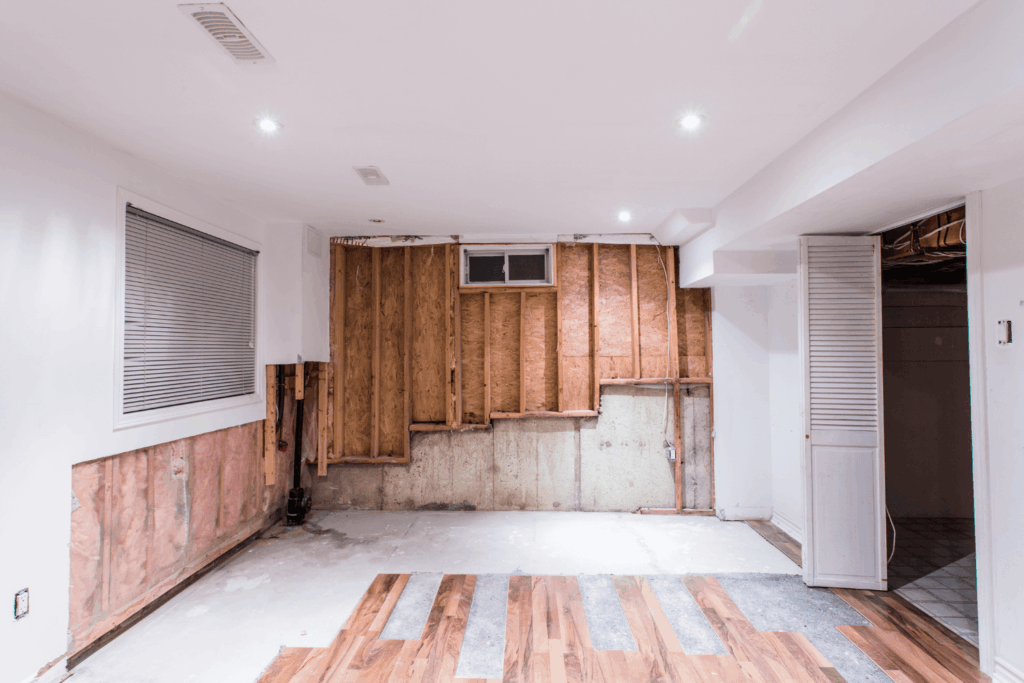
Many homeowners are caught off guard when their basement, dry most of the year, suddenly leaks during certain seasons. Whether it’s puddles after a spring storm or moisture following a winter thaw, these patterns are more than coincidence; they’re signs of underlying issues with how your home handles changing weather conditions.
If you’re noticing seasonal basement leaks, especially during spring, you’re not alone. Western Pennsylvania’s climate and soil composition make many homes prone to cyclical moisture problems. Understanding why it happens is the first step toward prevention.

Spring: When Snowmelt and Saturated Soil Collide
Spring is by far the most common season for basement leaks. That’s because it combines melting snow, frequent rainfall, and soil that’s already saturated from winter. When the ground can’t absorb more water, it builds up against your foundation walls. The result? Hydrostatic pressure that forces water through any weak spots: cracks, seams, or porous concrete.
In Western PA, the issue is amplified by clay-heavy soil, which retains moisture longer and doesn’t drain well. So, if your home lacks proper grading or your downspouts empty too close to the foundation, you’re more likely to experience leaks during this season.
Winter: Silent Damage from Below the Surface
You might not see active water in winter, but your basement is far from immune. During colder months, moisture around the foundation can freeze, expand, and apply pressure to walls and floors. This constant freeze-thaw cycle widens existing cracks and weakens waterproofing barriers.
What makes it more difficult is that these issues often go unnoticed until spring, when the combination of melting snow and thawed ground floods in through those weakened spots.
Summer: Dry Doesn’t Mean Safe
Summer is typically the driest time of year for most basements, but don’t let that lull you into a false sense of security. As the soil around your home dries out and shrinks, it can pull away from your foundation. This creates space for water to rush in during the next big storm.
Additionally, signs of basement leaks that were present in spring often fade during summer, leading many homeowners to delay repairs. That delay can lead to larger, costlier issues once the wet seasons return.
Fall: The Final Window to Prepare
Fall is often underestimated, but it’s one of the most important seasons for basement waterproofing. Between increased rainfall and falling leaves, downspouts and drains can become clogged easily, leading to water pooling near your home. Plus, any unresolved cracks or weak points from spring are now poised to be exposed again as the cycle starts over.

This is the best time of year to take preventative action, when the weather is stable and before winter puts waterproofing projects on hold.
Recognizing the Signs of Seasonal Leaks
If your basement only seems damp or musty during certain times of the year, it’s still a sign that water is finding its way in. Look for discoloration on basement walls, mineral deposits like efflorescence, musty odors, rust on metal surfaces, and even slight warping on floors or walls. These issues often appear worse after a stretch of wet weather, but fade during dry months, making them easy to ignore.
How to Prevent Seasonal Basement Leaks
Addressing seasonal leaks starts with understanding the weak points in your home’s water management. Regular inspections and proactive maintenance go a long way.
Start by checking the grading around your home. If the ground slopes toward your foundation, it’s time to regrade. Similarly, downspouts should direct water at least four to six feet away from the home. When water consistently pools near your foundation, it’s only a matter of time before it finds its way inside.
Sealing visible cracks, upgrading sump pump systems, and installing interior French drains are also effective ways to manage water intrusion. If your home is older or has a history of water issues, it may be worth investing in a comprehensive waterproofing system that includes drain tile, vapor barriers, and backup systems.
Why This Happens So Often in Western Pennsylvania
Homes in Western PA are especially vulnerable to seasonal leaks because of their environment. The area’s clay-dominant soil expands when wet and shrinks when dry, exerting constant pressure on foundation walls. The freeze-thaw cycles in winter and heavy rains in spring only make the problem worse.
Additionally, many homes in the region are older and were built without modern waterproofing systems in place. That means even well-maintained homes may not be equipped to handle today’s climate challenges.
Solve the Pattern Before It Repeats
Seasonal leaks don’t fix themselves. What seems like a minor nuisance during spring may be the first sign of structural wear, drainage failure, or moisture intrusion that will only worsen over time.
Don’t wait for water to show up again next season. If your basement leaks after every thaw or spring rain, it’s time to take action.
AM Wall Anchor & Waterproofing specializes in diagnosing and resolving seasonal basement issues in Western PA. From grading and sump pump installation to comprehensive waterproofing systems, we provide the expertise and tools to protect your home, no matter the season.