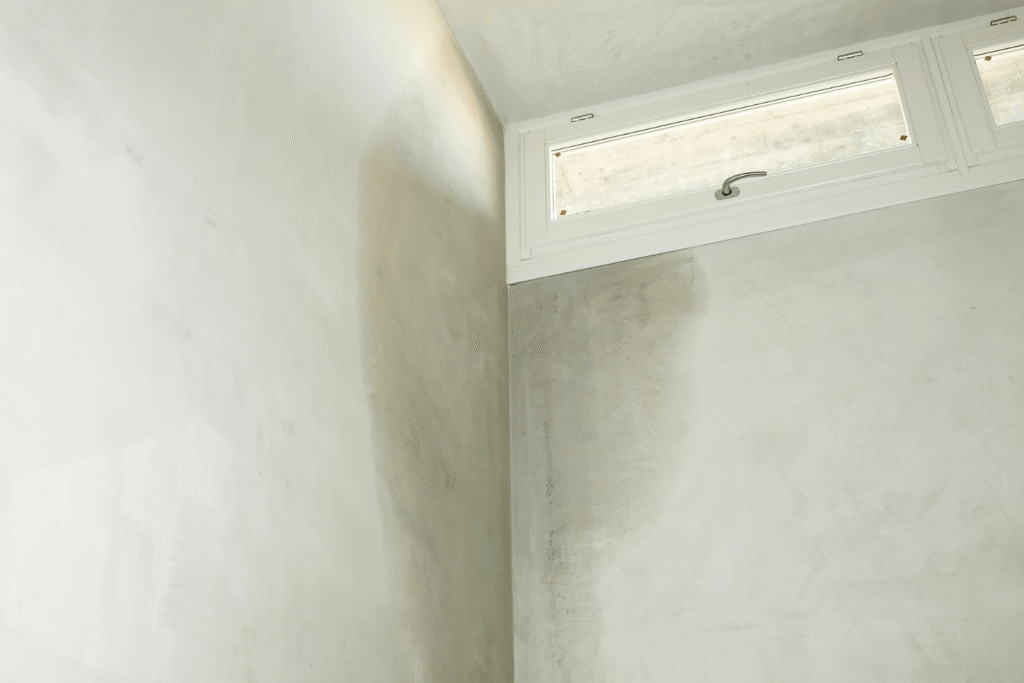
Most homeowners think of basement moisture as a basement problem. A damp floor, musty smell, or the occasional puddle after heavy rain feels contained; annoying, but not urgent. The truth is that moisture in your basement doesn’t stay in your basement. It moves through your home’s structure and air, affecting everything from indoor air quality to long-term structural integrity.
Understanding how basement moisture spreads and what it damages can help you recognize when a “minor annoyance” has crossed into territory that needs professional attention.
Basement Moisture Moves Up, Not Just Out
Basements sit below grade, which makes them naturally vulnerable to groundwater, condensation, and hydrostatic pressure. But your home is a connected system. Air circulates between floors, moisture migrates through porous materials, and humidity doesn’t respect floor boundaries.
Even if you rarely go into your basement, the moisture down there is making its way into the living spaces above. Here’s how that happens and what it affects.
Indoor Air Quality and Health
Air in your basement doesn’t stay isolated. Through a process called the “stack effect,” warm air rises through your home, pulling basement air upward with it. If your basement is damp, that means you’re breathing air that has passed through a moist, potentially moldy environment.
What this means for your home:
- Musty odors that linger in first-floor rooms, closets, or HVAC vents
- Allergens and irritants from mold spores, dust mites, and mildew circulating through the house
- Respiratory issues that may worsen for anyone with asthma, allergies, or sensitivities
You might notice family members complaining about stuffiness, headaches, or worsening allergies without realizing the root cause is happening one floor below.
Mold Growth Beyond the Basement
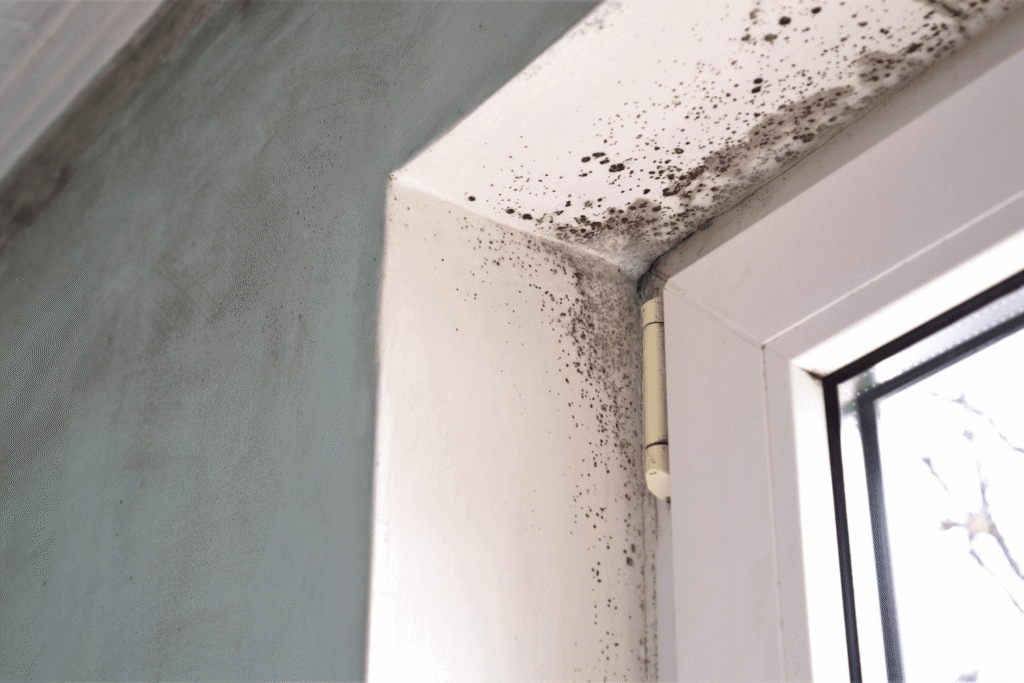
Mold doesn’t need standing water to grow. It thrives in consistently damp environments; exactly what an uncontrolled basement provides. Once mold establishes itself on basement walls, insulation, or stored items, spores become airborne and spread.
What this means for your home:
- Hidden mold in wall cavities, behind drywall, or under flooring on upper levels
- Damage to belongings stored in the basement or in closets and rooms directly above
- Costly remediation if mold spreads into HVAC ductwork or structural framing
Mold remediation is far more expensive and disruptive than addressing the moisture problem before mold takes hold.
Damage to Floor Framing and Subfloors
The floor joists and subfloors that sit above your basement are typically wood. Wood and prolonged moisture do not mix. Persistent dampness causes wood to swell, warp, rot, and lose structural strength over time.
What this means for your home:
- Warped or sagging floors on the main level
- Squeaky or soft spots that worsen as wood deteriorates
- Expensive structural repairs to replace joists, beams, or subflooring
By the time you notice uneven floors or soft spots upstairs, moisture has likely been affecting the framing for months or years.
Higher Energy Bills
When your basement is humid, your HVAC system works harder to maintain comfortable temperatures and humidity levels throughout the house. Damp air feels warmer in summer and colder in winter, which prompts your heating and cooling systems to run longer cycles.
What this means for your home:
- Increased heating and cooling costs year-round
- Strain on your HVAC system, leading to more frequent repairs or earlier replacement
- Difficulty maintaining consistent indoor comfort even when the thermostat is set correctly
Moisture control in the basement can directly reduce energy waste and extend the life of your climate control equipment.
Trouble Selling Your Home
Home inspectors look for moisture issues, and buyers notice musty smells or visible dampness immediately. Even if you’ve lived with minor basement moisture for years, it becomes a red flag during a sale.
What this means for your home:
- Failed or conditional inspections that delay or kill a sale
- Lower offers as buyers factor in the cost of waterproofing or repairs
- Required disclosure of known moisture problems in many states
Addressing basement moisture before you list a home protects your investment and keeps the sale process on track.
Foundation and Structural Concerns
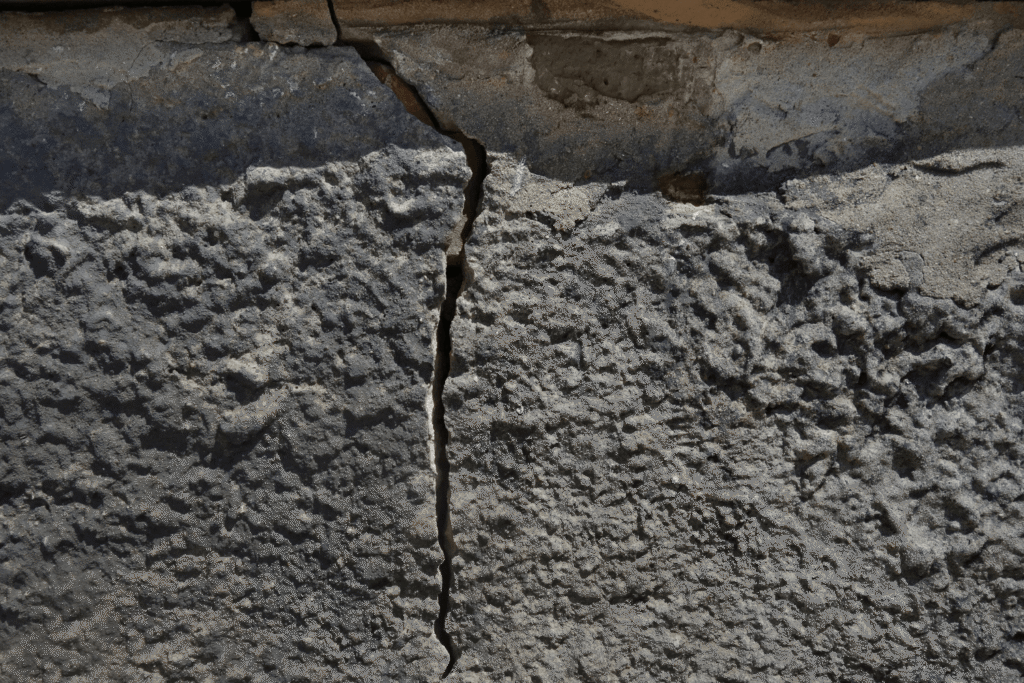
Ongoing moisture in a basement often signals deeper issues: poor drainage, hydrostatic pressure, or cracks in the foundation itself. If water is getting in, it’s putting stress on your foundation walls and floor. Over time, that stress can lead to bowing walls, widening cracks, and uneven settling.
What this means for your home:
- Worsening foundation damage that may eventually require wall anchors, piers, or other structural repairs
- Water intrusion that becomes more frequent and harder to control
- Compromised structural integrity if left unchecked for years
Basement moisture is often the visible symptom of a larger structural or drainage problem that needs professional evaluation.
When “Just a Little Damp” Becomes a Real Problem
Not every trace of basement moisture is an emergency. Occasional condensation on cold pipes or a slightly musty smell after weeks of rain may not signal serious trouble. But if you’re experiencing any of the following, it’s time to move from “monitor” to “investigate”:
- Visible water pooling on the floor, especially after rain or snowmelt
- Damp or stained walls, particularly at the base where the wall meets the floor
- Persistent musty odors that don’t go away with a dehumidifier
- Mold or mildew growth on walls, floors, or stored items
- Efflorescence (white, chalky deposits) on concrete or masonry
- Increased allergy or respiratory symptoms in household members
- Warping, sagging, or soft spots in floors above the basement
Any of these symptoms suggest moisture is doing more than sitting in one corner. It’s affecting your home’s structure, air, and long-term value.
What Homeowners Can (and Should) Do
You don’t need to diagnose the exact source of basement moisture on your own, but there are a few safe, helpful steps you can take:
- Document what you see. Take photos of damp areas, stains, or cracks. Note when moisture appears; after rain, during humid weather, or year-round.
- Check gutters and downspouts. Make sure water drains away from your foundation, not toward it.
- Monitor humidity levels. A basic hygrometer can tell you if basement humidity is consistently above 60%, which creates conditions for mold.
- Avoid covering up the problem. Sealing over cracks or installing finished flooring without addressing the moisture source can make things worse.
These steps help you gather useful information, but they don’t replace a professional assessment. If moisture is persistent or worsening, the safest move is to schedule an inspection with a basement waterproofing or foundation specialist who can identify the root cause and recommend the right solution.
Basement Moisture Is a Whole-Home Issue
What happens in your basement doesn’t stay in your basement. Moisture affects the air you breathe, the floors you walk on, the energy bills you pay, and the long-term health of your home’s structure. Ignoring it may feel easier in the short term, but the longer moisture goes unaddressed, the more expensive and disruptive the fixes become.
If you’re noticing signs of basement moisture, whether it’s occasional dampness or persistent leaks, it’s worth having a professional take a look before the problem spreads. Homeowners in Western Pennsylvania can contact A.M. Wall Anchor & Waterproofing to schedule a thorough basement inspection and get clear answers about what’s causing moisture in your home and how to control it for good.