

If your basement smells noticeably worse during the winter months, you’re not imagining it. Many homeowners notice that musty, damp odors become stronger once temperatures drop, even when there’s no visible water.
A musty basement smell in winter is often one of the earliest warning signs of a moisture problem. While it’s easy to blame closed windows or stale air, winter basement odors usually point to trapped humidity, condensation, or hidden moisture intrusion that shouldn’t be ignored.
Understanding what’s behind these smells can help you address issues early, before they turn into mold growth, air quality problems, or structural damage.
Why Basement Odors Intensify During Winter
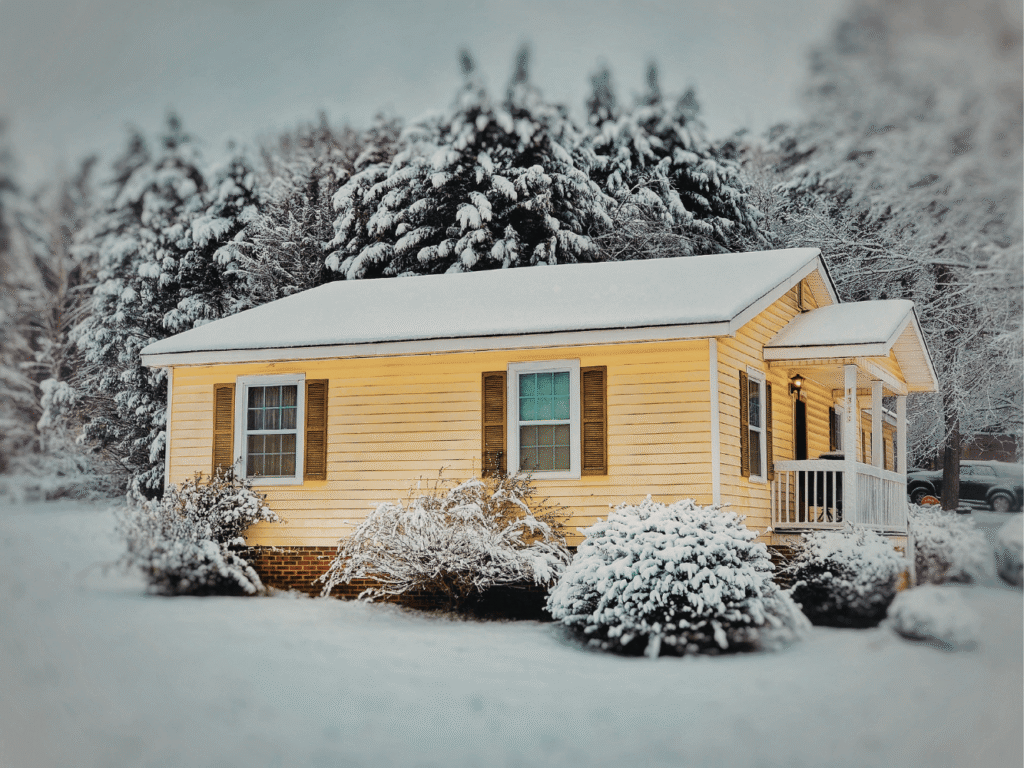
Winter creates the perfect conditions for basement odors to develop. Homes are sealed tightly to keep cold air out, which limits ventilation and traps moisture inside. Everyday activities, like cooking, showering, and doing laundry, add humidity to the air, and that moisture naturally settles in lower levels of the home.
At the same time, basement walls and floors become colder due to frozen soil and outdoor temperatures. When warm, moisture-filled indoor air comes into contact with these cold surfaces, condensation forms. That moisture feeds odor-causing bacteria, mildew, and organic materials, making smells stronger and more persistent than at other times of year.
What a Musty Basement Smell Really Indicates
A musty smell is rarely just “old basement air.” In most cases, it’s a sign of basement odor moisture, meaning excess moisture is interacting with materials in your basement, even if you can’t see standing water.
Moisture may be:
- Absorbing into porous concrete walls or floors
- Trapped behind finished basement walls or insulation
- Condensing intermittently as indoor and outdoor temperatures fluctuate
Because winter conditions often hide active leaks, odors tend to appear before visible water damage does. In many homes, smell is the first indicator that something isn’t right.
Why Odors Can Exist Without Visible Water
One of the most frustrating aspects of winter basement odors is that homeowners can’t always find an obvious source. That’s because moisture doesn’t need to pool or drip to cause problems.
In colder months, moisture can slowly accumulate in concrete, framing, or insulation. Condensation may form overnight and evaporate during the day, leaving no clear trail behind. Over time, this cycle creates a damp environment that allows odors to develop long before water stains or puddles appear.
Common Sources Behind Winter Basement Smells
While moisture is the root cause, the odor itself often comes from materials reacting to that moisture. Organic materials, in particular, are quick to absorb humidity and produce musty smells.
Common contributors include stored cardboard or fabric items, damp wood framing, insulation that has absorbed moisture, and even residue inside floor drains or sump pits. When winter limits airflow, those smells have nowhere to go, and they intensify.

Why Masking Odors Doesn’t Solve the Problem
Air fresheners and scented sprays may temporarily hide basement smells, but they don’t address the cause. Even dehumidifiers, while helpful in some cases, often struggle in winter when cold surfaces continue to attract condensation.
If moisture is entering from outside or becoming trapped behind walls, odors will return as soon as the underlying issue remains. That’s why recurring winter smells often signal a deeper problem related to drainage, waterproofing, or moisture control.
How Winter Basement Odors Connect to Bigger Issues
Ignoring basement odors can allow moisture problems to quietly worsen. Over time, what starts as a seasonal smell can lead to mold growth, deterioration of foundation materials, and water intrusion when spring thaw arrives.
Basements also affect the rest of the home. Odors and moisture don’t stay isolated; they move upward through air circulation, impacting overall indoor air quality.
When a Musty Smell Warrants a Professional Inspection
If your basement smells worse every winter, especially after temperature swings or snowmelt, it’s a sign that moisture conditions haven’t been fully addressed. This is particularly true if odors return year after year or persist despite using a dehumidifier.
A professional evaluation can determine whether moisture is coming from condensation alone or if exterior drainage, foundation cracks, or groundwater pressure are contributing to the problem.
How Basement Waterproofing Helps Eliminate Odors
The most effective way to eliminate basement odors is to control moisture at its source. Depending on your home’s layout and condition, solutions may include improving exterior drainage, installing interior drain tile systems, adding vapor barriers, sealing foundation cracks, or managing groundwater with a sump pump system.
By stopping moisture before it enters or accumulates, you remove the conditions that allow odors to form, rather than repeatedly treating the symptoms.
Winter Basement Smells Are a Warning Sign
A musty basement smell in winter isn’t just a nuisance; it’s often your home’s early warning system. Addressing moisture issues now can prevent mold growth, protect your foundation, and save you from costly repairs once spring arrives.
If your basement smells worse every winter, it’s time to take a closer look.
AM Wall Anchor & Waterproofing helps Western PA homeowners identify the real causes of basement odors and implement long-term solutions. Schedule an inspection today and stop winter moisture problems before they escalate.