
Finding cracks in your foundation or noticing doors that suddenly stick is stressful. You know something is wrong, but you may not know how serious it is, or who to trust to fix it. The foundation repair company you choose matters just as much as the repair itself. Pick the wrong one and you could spend thousands on work that doesn’t solve the real problem.
This guide walks you through key questions to ask before you sign a contract with any foundation repair company. Use it as a checklist to separate true professionals from high‑pressure sales operations.
Why Your Choice of Foundation Repair Company Matters
Your foundation supports your entire home. When it begins to move, crack, or settle, the symptoms can start small; hairline cracks, gaps at trim, uneven floors, but the stakes are high. A quick cosmetic patch or the wrong structural “solution” can actually hide problems and make them harder and more expensive to fix later.
A reputable foundation repair company will:
- Start with a detailed inspection, not a canned sales pitch
- Explain what’s causing your issue in plain language
- Recommend solutions based on your home’s specific conditions
- Put everything in writing and stand behind their work with a real warranty
The questions below help you find that type of company.
1. Are You Licensed and Insured for Foundation Repair in This Area?
Any contractor working on your foundation should be properly licensed and insured where you live. Licensing shows they’ve met basic requirements to perform this type of work. Insurance protects both you and the crew if something goes wrong on the job.
Ask:
- What specific license do you hold for foundation work in this state?
- Can you provide proof of liability and workers’ compensation insurance?
If a company hesitates, changes the subject, or refuses to provide documentation, take that as a serious warning sign. You should never have to chase down this information.
2. How Long Have You Been Repairing Foundations in Homes Like Mine?
Foundation problems are heavily influenced by local soil, weather, and construction practices. In areas with clay soils, frequent freeze-thaw cycles, or older homes, issues tend to show up in specific patterns. Experience in your region matters.
Ask:
- How long have you been doing foundation repair in this area?
- What types of homes do you work on most often?
- What common issues do you see in homes like mine?
You’re listening for specific, grounded answers, not just “We’ve been around a long time.” A company that understands your local conditions is more likely to diagnose problems correctly.
3. What Does Your Foundation Inspection Include?
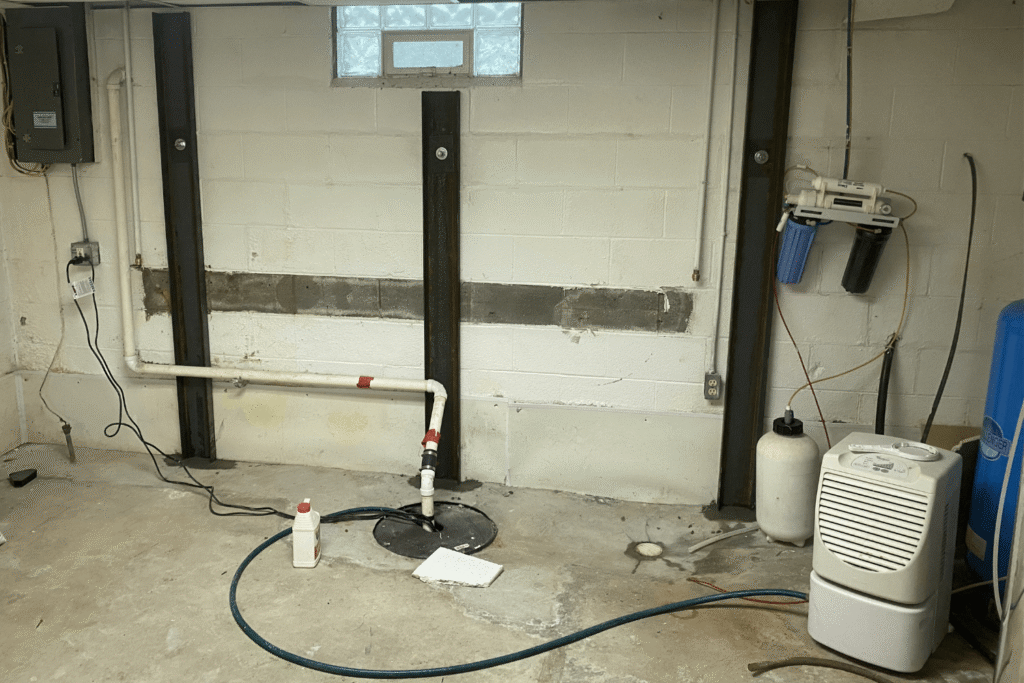
Before anyone talks about piers, wall anchors, or other repairs, they should describe a thorough inspection process. Quality foundation repair begins with understanding what’s actually going on, not guessing from a few quick glances.
Ask:
- Will you inspect both the interior and exterior of my home?
- Do you check crawl spaces, basements, and the structure above the foundation (floors, doors, windows)?
- Who performs the inspection, a salesperson or a trained foundation specialist?
You should expect:
- A careful walk‑through of the problem areas
- Visual checks of cracks, bowing walls, and floor slopes
- Questions about how long you’ve noticed issues and whether they’ve changed over time
If a company is willing to recommend repairs over the phone, or after only a brief look at one wall, they’re selling a product, not solving a problem.
4. Can You Explain What’s Causing My Foundation Problem?
Many homeowners hear product names first: “You need wall anchors,” “You need piers,” “You need a drain system.” But before products come causes.
Ask the company to put away the jargon and tell you, in plain language, what they believe is happening. For example:
- Soil movement from moisture changes
- Poor drainage putting pressure on your foundation
- Long‑term settling or inadequate support
- Lateral pressure causing walls to bow inward
You don’t need an engineering degree. You do need to feel like you understand what’s going on well enough to explain it to a friend. If the explanation never gets beyond “this system will fix everything,” press pause.
5. How Do You Decide Which Repair Method Is Right for a Home?
There is rarely just one way to address a foundation problem. Different methods may be more appropriate based on your home’s design, the type of foundation, soil conditions, and how severe the movement is.
Ask:
- Which repair methods do you offer?
- How do you decide which one is appropriate for a particular home?
- What factors would make you recommend one solution over another?
This question is not about choosing your own fix. It’s about understanding whether the company has a thoughtful process, or simply installs the same solution for everyone. Be cautious if every home seems to get the exact same “system,” no matter what the symptoms are.
6. Will You Provide a Written Scope of Work and Warranty?
Foundation repair is a major investment. Everything the company plans to do, and everything they promise, should be in writing.
Ask to see:
- A detailed, written scope of work outlining the repairs
- Where on your property the work will take place
- Specific products or systems to be installed
- An estimated timeline for the project
- The full warranty, including what is and isn’t covered
Follow up with:
- How long is your warranty?
- Does it cover both materials and labor?
- Is it transferable to a new owner if I sell my home?
If the warranty sounds great verbally but is vague or missing in the paperwork, that’s a red flag. You want clarity now, not surprises later.
7. Who Will Actually Be Doing the Work?
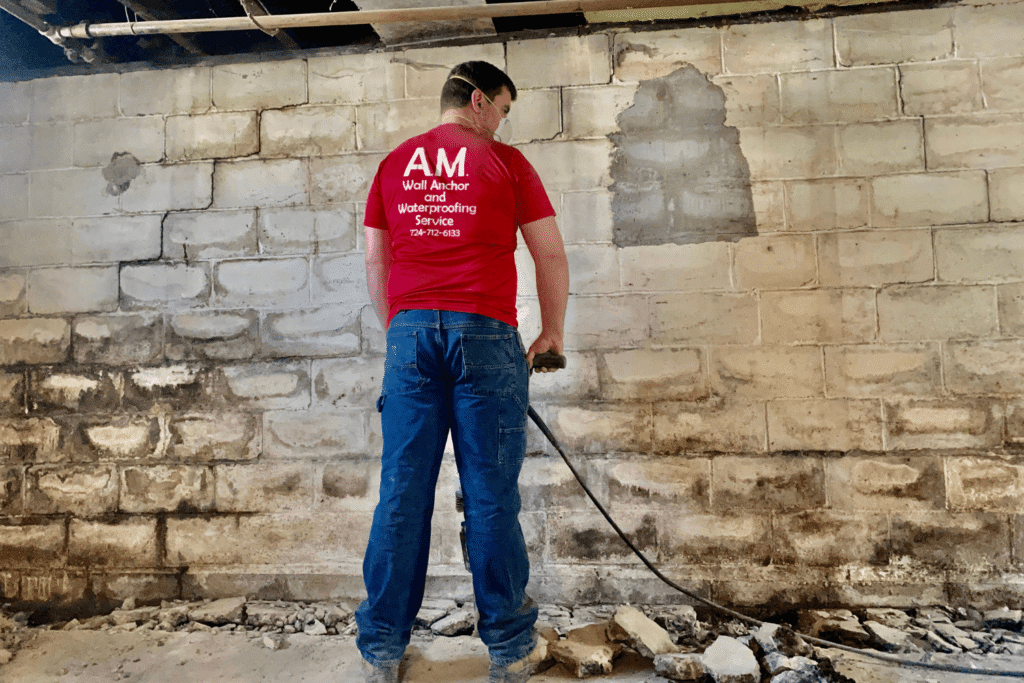
Some companies use only in‑house crews. Others rely heavily on subcontractors. Neither approach is automatically bad, but you should know who will actually be at your home and how they’re supervised.
Ask:
- Do you use your own trained crews, subcontractors, or a mix?
- How are your crews trained on foundation repair?
- Who will be my main point of contact during the job?
You’re looking for a clear chain of responsibility. You should not be left wondering who to talk to if you have questions once work begins.
8. What Should I Expect During the Repair Process?
Foundation repair can be disruptive. There may be noise, dust, and limited access to parts of your home or yard while work is underway. A good company sets expectations upfront so you’re not caught off guard.
Ask:
- How many days will the work take, based on what you see now?
- What areas of my home or yard will you need access to?
- How do you protect floors, landscaping, and belongings?
- What does clean‑up look like when the job is done?
You should finish the conversation with a clear picture of what those days will be like, not just “We’ll take care of it.”
9. Can You Share Recent Reviews or References?
Online reviews and direct references reveal how a company treats customers before, during, and after the job. One or two bad reviews aren’t necessarily a deal‑breaker, but patterns are important.
Ask:
- Where can I read recent reviews from local homeowners?
- Can you provide references from customers with problems similar to mine?
When you look at reviews or speak with references, listen for comments about:
- Communication and responsiveness
- Whether the crew showed up on time and respected the home
- How the company handled questions or concerns after the work
- You want a company that not only does solid technical work but also takes care of people.
10. What Happens If I Have Concerns After the Work Is Done?
Foundation issues can evolve over time. Even after repairs, you might notice new cracks, changes in doors or windows, or have questions about what you’re seeing. The right company expects this and has a clear process for follow‑up.
Ask:
- If I see something that worries me after the job, what should I do?
- How do you handle warranty inspections or service calls?
- Who do I contact if I need you to come back out?
You’re looking for reassurance that the relationship doesn’t end the day the crew leaves. A company that stands behind its work will be willing to return, evaluate the situation, and address any issues related to the repair.
Start With Questions, Then Schedule a Professional Inspection
These questions aren’t about turning you into a foundation expert. They’re about helping you pick a company you can trust to be the expert on your behalf.
The safest path is:
- Recognize the warning signs: cracks, sticking doors, sloping floors, or moisture.
- Schedule a professional foundation inspection with a reputable local company.
- Ask the questions above and pay attention not just to the answers, but to how they’re given.
- Make your decision based on clarity, transparency, and your level of confidence in the team, not just on who offers the fastest fix.
When you choose a foundation repair company carefully, you’re not only protecting your home, you’re buying peace of mind that the solution is designed to last. And if you live in the Western Pennsylvania area and want a team that values thorough inspections, clear explanations, and long‑term structural solutions, you can reach out to A.M. Wall Anchor & Waterproofing to schedule a professional foundation evaluation and discuss the best next steps for your home.