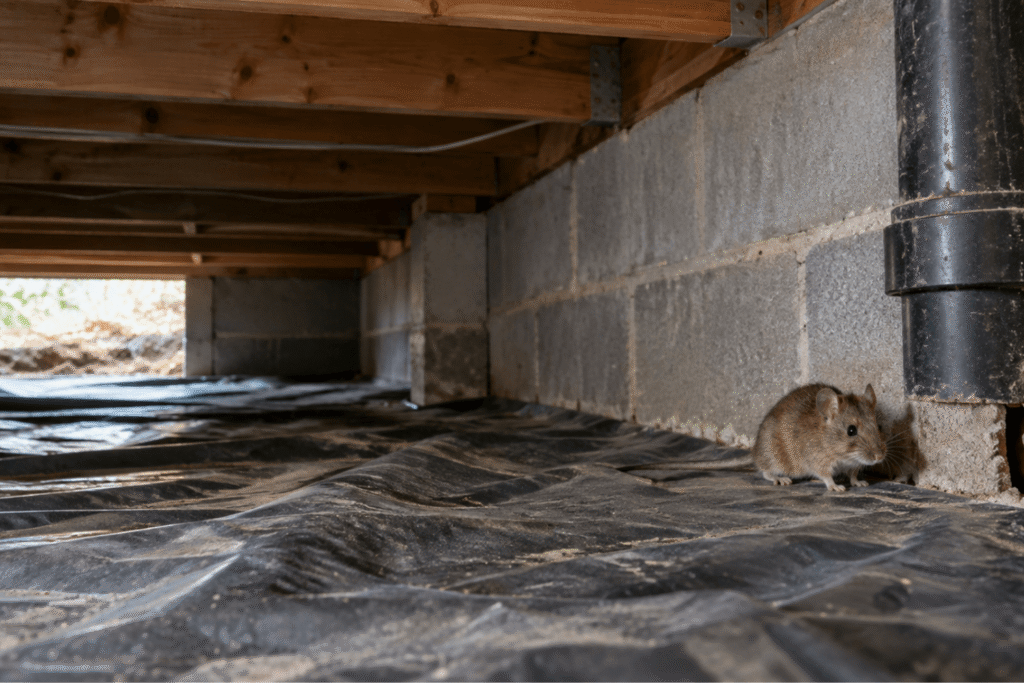
A crawl space may be out of sight, but it can be an attractive place for rodents. It offers darkness, shelter, nesting material, and, in many homes, easy access through gaps around pipes, vents, foundation walls, or crawl space doors.
Mice, rats, and other rodents do more than create an unpleasant surprise. They can damage insulation, chew wiring, leave droppings, disturb vapor barriers, and create odors that travel into the home. A damp crawl space can make the problem worse by creating an environment where pests, mold, and moisture-related damage can all take hold.
Keeping rodents out of a crawl space starts with understanding why they get in and addressing the conditions that make the space inviting.
Why Rodents Enter Crawl Spaces
Rodents look for three things: shelter, access to nesting materials, and a dependable source of water. Crawl spaces can provide all three.
Cooler weather often increases rodent activity around homes as pests look for covered places to nest. A crawl space with loose insulation, exposed dirt, standing water, or open vents can become an easy target. Even small gaps around utility lines, wiring, foundation openings, or doors may be enough for rodents to enter.
Once inside, rodents can move beyond the crawl space. They may travel through wall cavities, utility openings, and gaps around flooring into other parts of the home. Preventing access early is easier than dealing with an established infestation.
Common Crawl Space Entry Points
A crawl space does not need a large hole to become accessible. Small openings can be enough for mice and other pests to enter.
Damaged Or Unscreened Foundation Vents
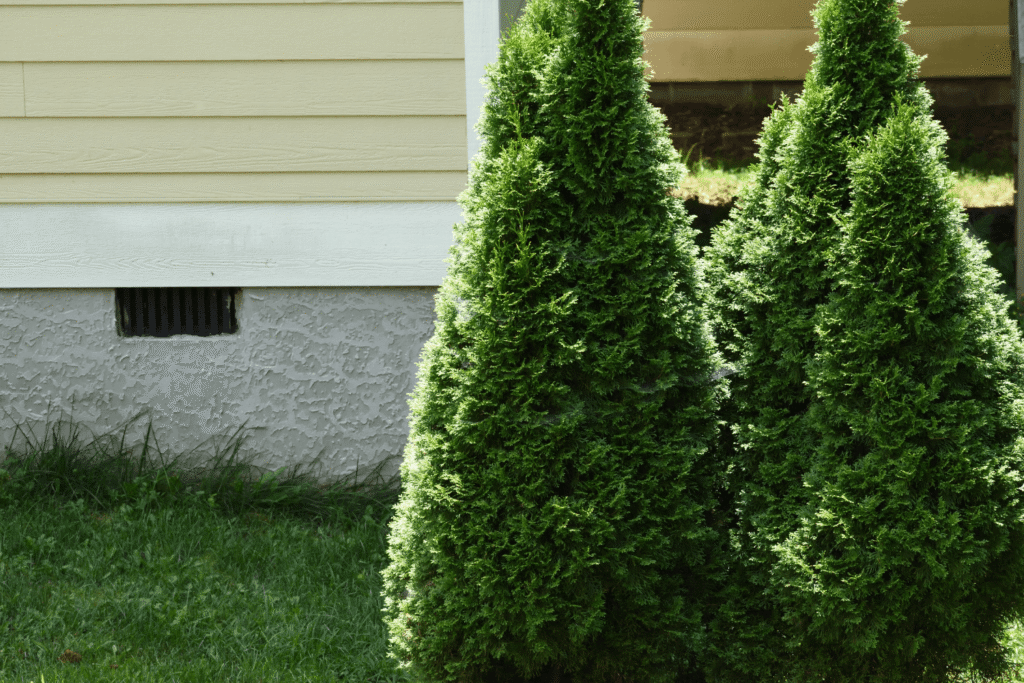
Foundation vents are a common entry point. Screens can rust, become loose, or develop holes over time. If vent covers are damaged or missing, rodents may have a direct path into the crawl space.
It is important not to permanently close or alter crawl space vents without a professional assessment. Ventilation, moisture control, and pest exclusion all need to work together. Simply blocking a vent can create a new moisture problem if the crawl space does not have another appropriate method of moisture management.
Gaps Around Pipes And Wiring
Plumbing pipes, electrical wiring, cable lines, and HVAC components often pass through the foundation or crawl space walls. These openings can leave small gaps around the materials. Rodents can use those gaps as entry points, especially if the opening has widened over time.
Crawl Space Doors And Access Hatches
A loose, warped, or damaged crawl space door can provide easy access. Doors and hatches should close securely and should not have visible gaps around their edges. Moisture, age, and changing soil conditions can affect how well these access points fit.
Foundation Cracks And Gaps
Small cracks, gaps where framing meets the foundation, and openings near the sill plate can all allow pests inside. These same areas may also allow outside air and moisture to enter, making the crawl space less comfortable for the home and more inviting to rodents.
Why Moisture Makes Rodent Problems Worse
Rodents are more likely to settle in spaces that provide water and protection. A crawl space with damp soil, standing water, condensation, or high humidity gives pests a more comfortable environment. Moisture can also weaken insulation, damage wood framing, and support mold growth.
That means a rodent problem and a moisture problem often go together. Droppings and nesting materials may be the visible issue, but the conditions below the home can be part of the bigger picture.
Watch for signs such as:
- A musty smell near the crawl space or first floor
- Damp insulation or insulation that is sagging
- Standing water or wet soil
- Mold on floor joists or framing
- Damaged or displaced vapor barrier material
- Water stains on wood or foundation walls
Controlling water and humidity can make a crawl space less hospitable to rodents while helping protect the structure above it. Vapor barriers and crawl space encapsulation are commonly used to reduce ground moisture, but the right approach depends on the conditions of the individual home.
Signs Of Rodent Activity In A Crawl Space
You may not need to enter the crawl space to notice signs of an issue. Rodent activity can leave clues inside and outside the home.
Common signs include:
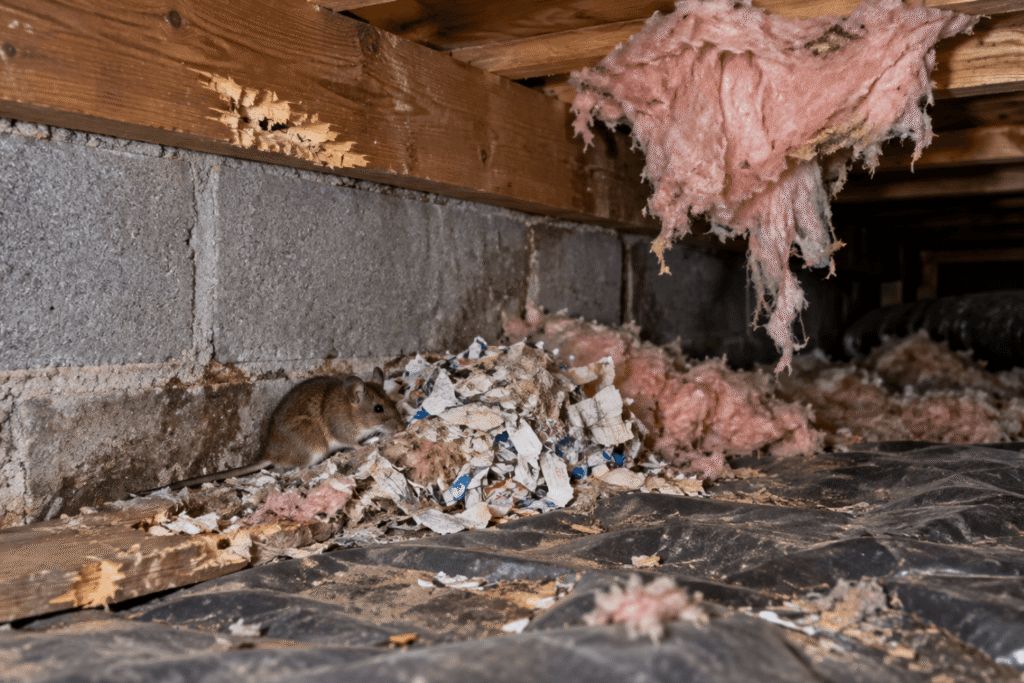
- Scratching or scurrying sounds, especially at night
- Droppings near the crawl space entry, basement, garage, or utility areas
- Insulation that looks torn, scattered, or pulled down
- Chewed wires, wood, cardboard, or stored belongings
- Strong odors that seem to come from below the floor
- Nests made from insulation, paper, leaves, or fabric
- Small burrows or openings near the foundation outside
A professional pest-control provider should handle an active infestation. If rodents have damaged insulation, disturbed a vapor barrier, or entered through foundation-related gaps, a crawl space or waterproofing professional may also be needed to address the underlying conditions.
What Homeowners Can Safely Do
Homeowners can take several basic steps to make the exterior of the home less inviting to rodents.
Keep The Foundation Area Clear
Trim shrubs, vines, and ground cover away from the foundation. Dense vegetation can conceal rodent activity and make it easier for pests to approach the home unseen. Remove woodpiles, stacks of debris, and stored materials from directly beside the foundation whenever possible.
Check For Exterior Gaps
Walk around the outside of the home and look for loose vent covers, broken screens, open access doors, and visible gaps around utility lines. Take photos or make a note of anything that looks damaged or out of place.
Avoid trying to seal large openings or altering crawl space ventilation without understanding the moisture conditions below the home. The goal is to keep rodents out without trapping humidity inside.
Manage Water Around The Home
Keep gutters clear and make sure downspouts direct water away from the foundation. If the ground remains wet near the crawl space after rain, drainage improvements may be needed. Managing outside water can reduce the damp conditions that attract rodents and contribute to crawl space damage.
Avoid Storing Food Near The Crawl Space
Food, pet food, birdseed, and trash stored in basements, garages, or nearby exterior areas can attract rodents to the property. Keep these materials in sealed containers and away from crawl space access points.
When To Call A Professional
A crawl space should be inspected when rodent signs are recurring, insulation is damaged, odors persist, or moisture is visible. It is especially important to seek help if you find standing water, mold, chewed wiring, damaged floor framing, or widespread droppings.
A professional inspection can identify whether the main concern is pest entry, moisture intrusion, drainage, damaged insulation, or a combination of issues. Depending on the situation, the solution may involve rodent exclusion by a pest-control company, moisture control, vapor barrier installation, drainage improvements, or crawl space encapsulation.
A.M. Wall Anchor & Waterproofing offers crawl space moisture and waterproofing solutions, along with drainage, foundation repair, and related basement services. For Western Pennsylvania homeowners, addressing wet conditions and visible damage below the home can help create a cleaner, drier crawl space that is less inviting to rodents.
Protect The Crawl Space And The Home Above It
Rodents in a crawl space should not be ignored. They can damage materials below the home and contribute to odors, moisture concerns, and reduced comfort upstairs. Keeping pests out starts with reducing entry points, managing water around the foundation, and taking signs of activity seriously.
If you are seeing signs of rodents or crawl space moisture in your Western Pennsylvania home, contact A.M. Wall Anchor & Waterproofing for an inspection. Identifying the condition of the crawl space is an important first step toward protecting the home from below.