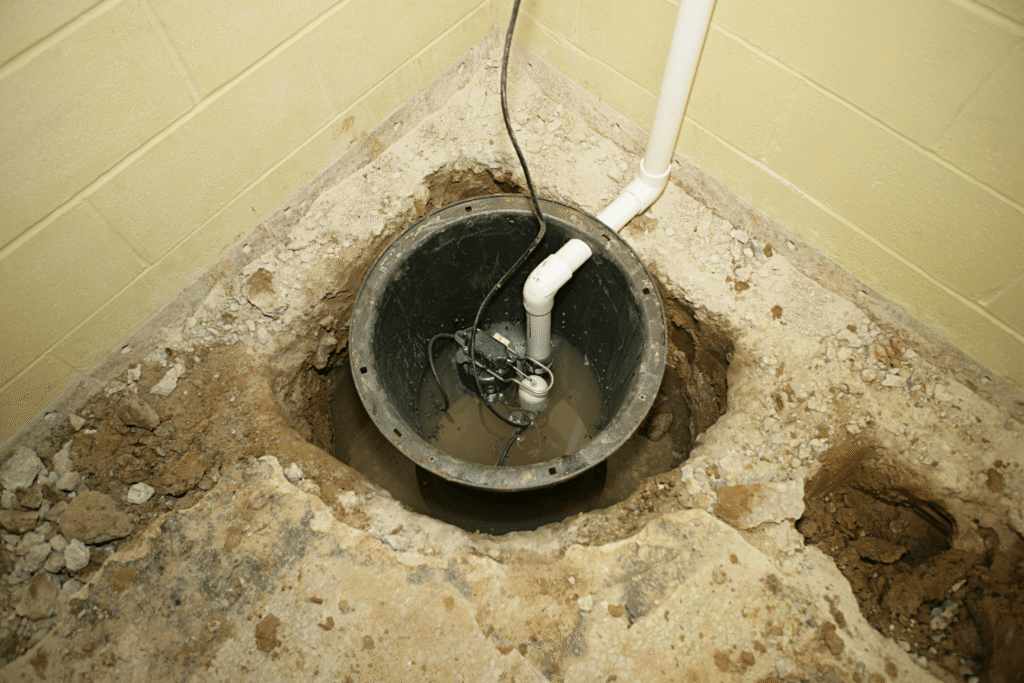
As winter transitions into spring, many homeowners start to notice a change in their basement; specifically, their sump pump seems to be working overtime.
If your sump pump is running constantly or cycling more frequently than usual, it’s not necessarily a malfunction. In many cases, it’s responding to increased groundwater levels caused by snow melt and seasonal rain.
However, there’s an important distinction between a sump pump that’s doing its job, and one that’s working harder than it should. Understanding that difference can help you avoid unexpected water issues as spring progresses.
Why Sump Pumps Work Harder in Spring
Spring is the busiest season for sump pumps, especially in areas like Western Pennsylvania.
As snow melts and rain becomes more frequent, the soil surrounding your home becomes saturated. This raises the water table and increases the amount of groundwater flowing toward your foundation.
Your sump pump is designed to collect and discharge this water before it can enter your basement. So when groundwater levels rise, it’s normal for the system to activate more often.
In many homes, this increased activity is simply a sign that the system is functioning as intended.
What “Normal” Sump Pump Activity Looks Like
During wet periods, it’s common for a sump pump to cycle on and off regularly. You may hear it running several times a day, especially after rainfall or during rapid snow melt.
A properly functioning system should:
- Turn on when the pit fills to a certain level
- Pump water out efficiently
- Shut off once the water level drops
As long as the system is cycling normally and keeping the pit from overflowing, increased spring activity is typically expected.
When Constant Running Becomes a Problem
If your sump pump is running constantly without shutting off, or running very frequently even in dry conditions, it may indicate a deeper issue.
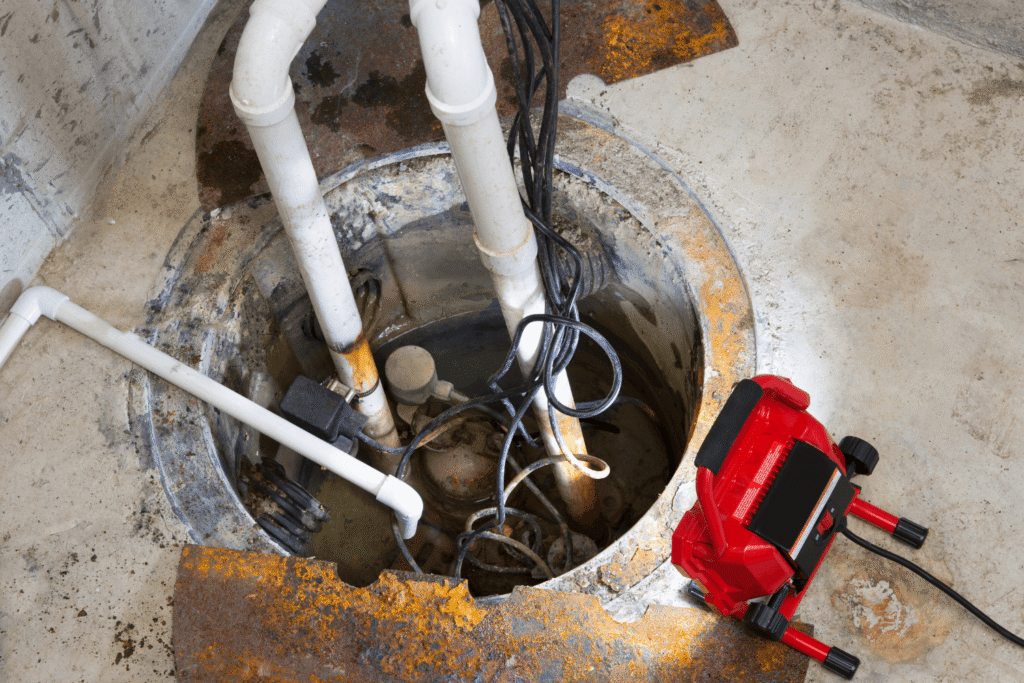
Continuous operation can point to:
- Excessive groundwater pressure around the foundation
- A sump pump that’s undersized for the volume of water
- A float switch that’s stuck or malfunctioning
- Poor drainage around the home directing water toward the foundation
Over time, a constantly running sump pump can wear out prematurely, increasing the risk of failure when you need it most.
Signs Your System May Be Overworked
Beyond constant operation, there are other signs that your sump pump system may be under strain.
If you notice unusual noises, inconsistent cycling, or water lingering in the pit longer than expected, it may be struggling to keep up. In some cases, homeowners also observe dampness in the basement despite the pump running frequently.
These are indicators that the system may not be adequately handling the volume of groundwater.
Why This Is Common in Western PA
Western Pennsylvania’s soil and climate create ideal conditions for high groundwater levels in spring.
Clay-heavy soil holds moisture longer, which increases hydrostatic pressure around your foundation. Combined with freeze–thaw cycles and snow melt, this leads to sustained groundwater flow toward your basement.
Older homes without modern drainage systems are especially vulnerable, as water has fewer pathways to move away from the foundation.
The Connection Between Sump Pumps and Drainage Systems
A sump pump doesn’t work alone, it’s part of a larger drainage system.
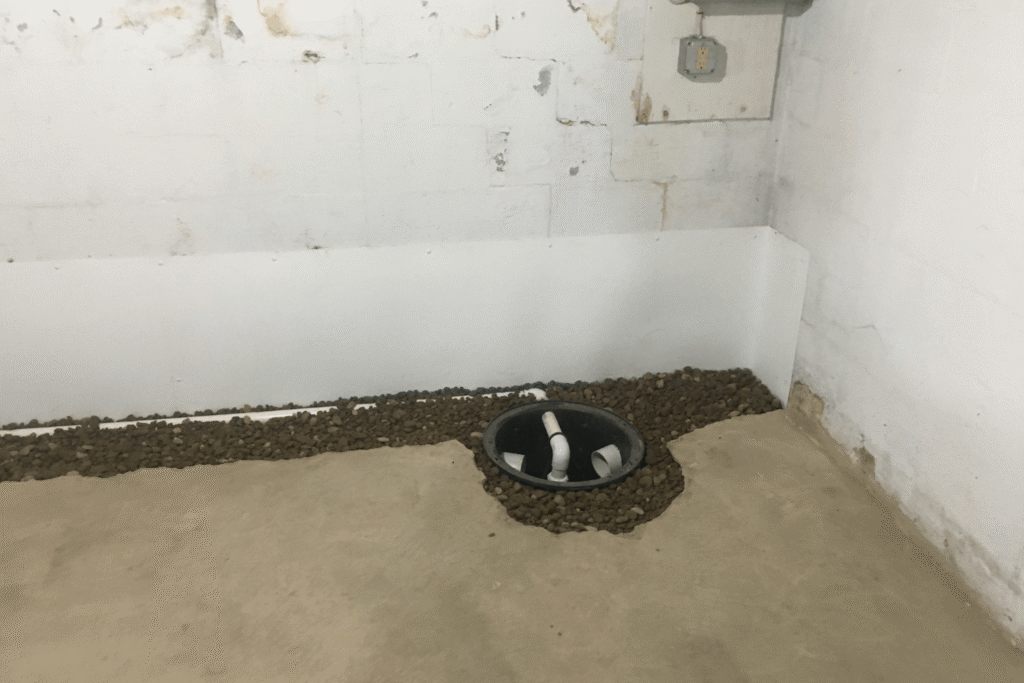
If your interior or exterior drainage system isn’t effectively directing water into the sump pit, groundwater may still build up around your foundation. This can lead to increased pressure, even if the pump is running frequently.
In some cases, upgrading or installing a full drainage system is necessary to reduce the workload on the sump pump and protect the basement more effectively.
How to Prevent Sump Pump Issues This Spring
Preventative maintenance can go a long way in ensuring your sump pump performs reliably during peak season.
Testing the system, clearing debris from the pit, and ensuring the discharge line is functioning properly are all important steps. It’s also worth checking that water is being directed far enough away from your foundation once it’s pumped out.
If your system is older or has struggled during past seasons, a professional evaluation can help identify whether upgrades are needed.
Don’t Ignore a Hardworking Sump Pump
A sump pump that runs more in spring is often doing exactly what it’s supposed to: protecting your basement from rising groundwater.
But if your system seems to be running constantly or struggling to keep up, it may be a sign of a larger drainage issue that shouldn’t be ignored.
AM Wall Anchor & Waterproofing helps homeowners throughout Western PA evaluate sump pump performance and implement solutions that protect against seasonal water intrusion.
If your sump pump is working overtime this spring, now is the time to make sure your system is ready for the months ahead.