
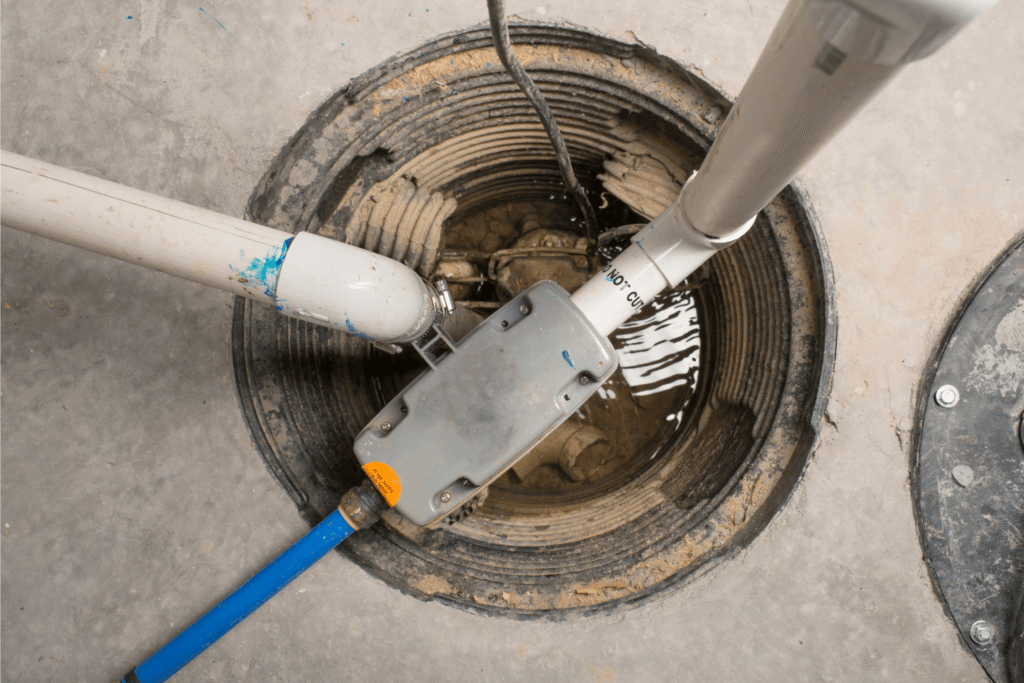
Installing a sump pump is often seen as the solution to basement water problems. And in many cases, it plays a critical role in keeping basements dry.
But what happens when water still shows up?
If you’re dealing with basement flooding with a sump pump, it can be frustrating and confusing. After all, if the system is working, why is water still getting in?
The answer is that a sump pump is only one part of a larger waterproofing system. When water continues to enter your basement, it usually means something else isn’t working the way it should.
What a Sump Pump Is Designed to Do
A sump pump’s job is straightforward: it collects groundwater from a sump basin and pumps it away from your home.
When water builds up beneath your foundation, it flows into the sump pit, where the pump activates and discharges it outside. This helps relieve pressure under the basement floor and reduces the risk of flooding.
However, a sump pump can only remove water after it reaches the basin. If water is entering your basement elsewhere, or never reaching the pit at all, the system can’t fully protect the space.
Why You Can Still Get Water With a Sump Pump
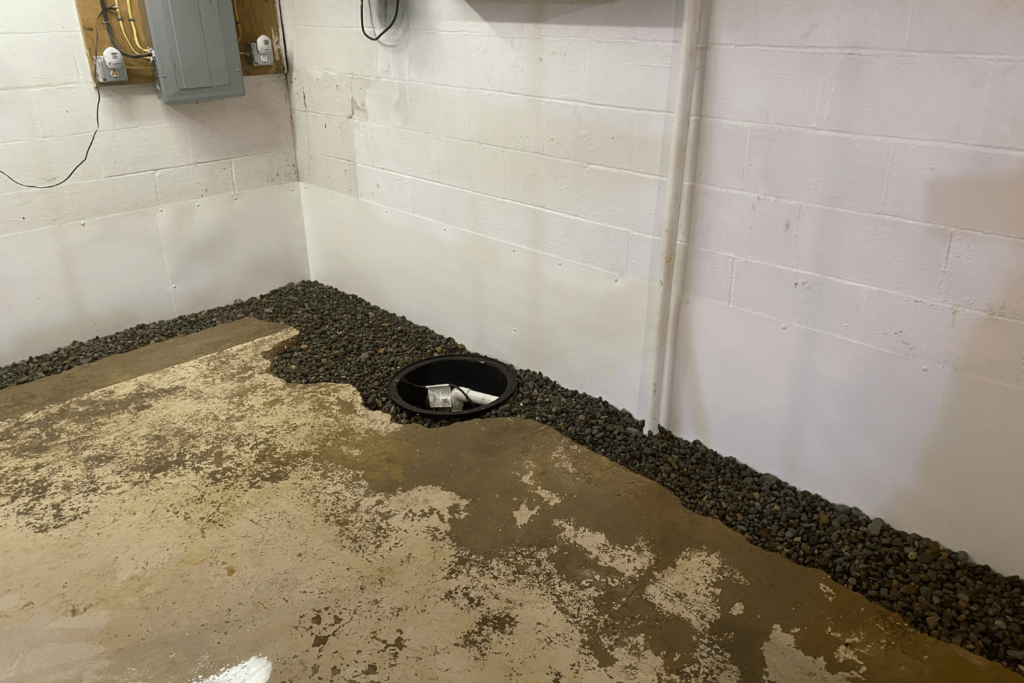
There are several reasons why a basement may still take on water, even when a sump pump is running.
One of the most common issues is that water isn’t being properly directed to the sump pit. Without an interior drainage system, such as drain tile, water can accumulate along the foundation walls or beneath the floor and enter through cracks or joints before it ever reaches the basin.
In other cases, the volume of water may simply exceed what the system can handle. During heavy rain or rapid snow melt, groundwater levels can rise quickly, overwhelming the pump’s capacity.
It’s also possible that the pump itself is not functioning efficiently, whether due to age, improper sizing, or mechanical issues.
When a Sump Pump Isn’t Enough
A sump pump is most effective when it’s part of a complete waterproofing system. On its own, it does not prevent water from entering the basement, it only removes it once it’s collected.
If your home lacks proper drainage, water can still enter through:
- The cove joint (where the wall meets the floor)
- Foundation cracks
- Porous concrete walls or floors
This is why some homeowners continue to experience dampness or even standing water despite having a functioning sump pump. In these situations, the issue isn’t the pump, it’s the lack of a system guiding water to it.
The Role of Drainage Systems
A properly designed basement waterproofing system includes more than just a pump.
Interior drain tile systems, for example, are installed along the perimeter of the basement to collect water at the point where it enters. Instead of allowing water to spread across the floor, the system channels it directly into the sump basin.
This significantly reduces hydrostatic pressure and helps prevent water from appearing in visible areas of the basement.
When combined with a sump pump, this type of system provides much more comprehensive protection.
Signs Your System Needs an Upgrade
If your basement continues to take on water, there are usually clear indicators that your current setup isn’t enough.
You might notice water along the edges of the basement, recurring damp spots, or moisture that appears after heavy rain despite the pump running. In some cases, the pump may cycle frequently but still struggle to keep up.
These signs suggest that water is entering faster, or in different areas, than your system is designed to handle.
Why This Happens Frequently in Western PA
Homes in Western Pennsylvania are particularly prone to this issue due to soil and weather conditions.
Clay-heavy soil retains water, increasing hydrostatic pressure around the foundation. Combined with spring rain and snow melt, this creates a steady flow of groundwater toward the basement.
Older homes without modern drainage systems are especially vulnerable, as water has limited pathways to reach the sump pit efficiently.
How to Solve the Problem Long-Term
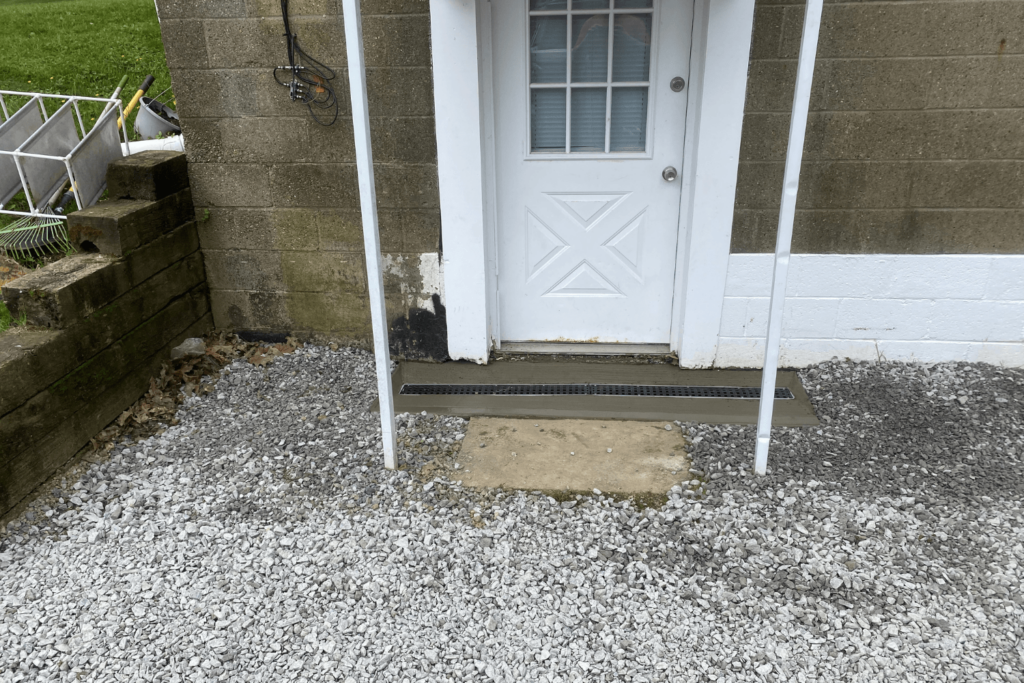
Addressing basement flooding with a sump pump requires looking beyond the pump itself.
The most effective solutions focus on managing water before it enters the basement and ensuring it is properly directed once it does. This may involve installing or upgrading interior drainage systems, improving exterior grading, or replacing an undersized or outdated sump pump.
In some cases, adding a battery backup system is also recommended to ensure continued operation during power outages, when flooding risk is often highest.
The key is creating a system that works together, rather than relying on a single component.
A Sump Pump Is Only Part of the Solution
A sump pump is an important line of defense, but it’s not a complete solution on its own.
If your basement still gets water, it’s a sign that your current system isn’t fully addressing the conditions around your foundation. Identifying where water is coming from, and how it’s moving, is essential to solving the problem for good.
AM Wall Anchor & Waterproofing helps homeowners throughout Western PA design and install complete waterproofing systems that go beyond the basics. If your sump pump isn’t keeping up, now is the time to evaluate what your basement really needs.