
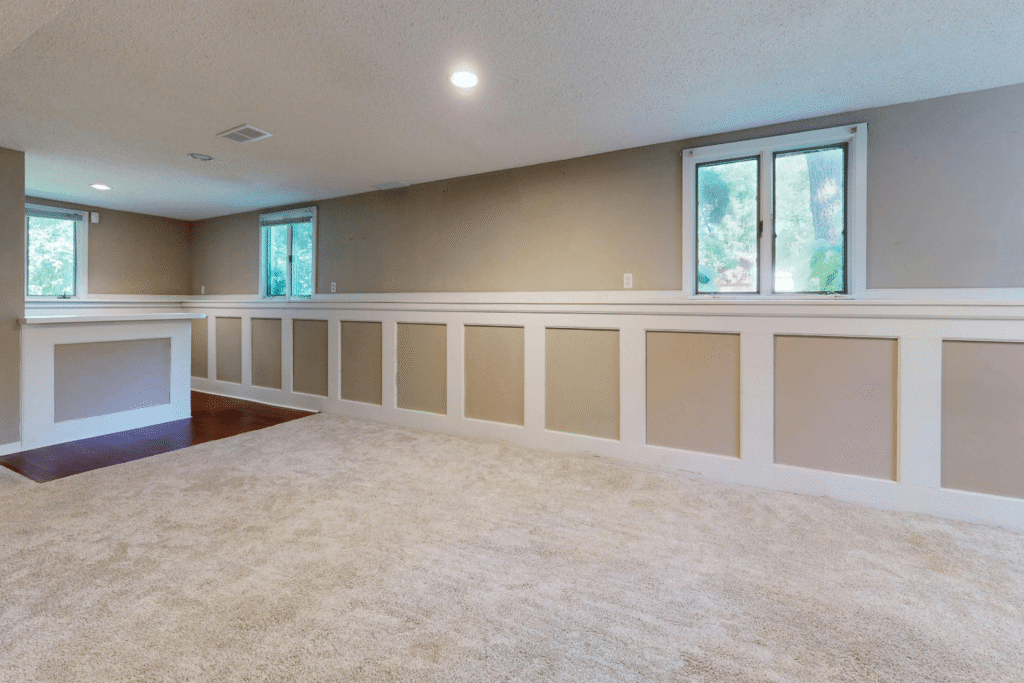
Basement windows bring in light and can make a lower level feel less closed off. They also sit right where soil, rain, and foundation walls meet. That location makes basement windows a common source of leaks and moisture. Many homeowners first notice water in the basement around a window, then later see staining or mold in that same area.
Basement window problems may look small at first. A little water on the sill after a storm or a damp spot under the frame can seem harmless. Over time, however, recurring leaks and trapped moisture around windows can lead to mold, damaged building materials, and even larger waterproofing or foundation issues.
Why Basement Windows And Window Wells Are Vulnerable
Basement windows are often set in concrete or masonry walls and surrounded by a window well outside. The top of the window is typically at or just above ground level. That means the window and well must handle:
- Soil pressing against the outside
- Rainwater running down from the house and yard
- Snow and ice in winter
- Changing temperatures and humidity
If any part of this system fails, water can find a way into the basement.
Common Basement Window Problems
Several issues tend to show up repeatedly in older or heavily used basements.
Shallow Or Poorly Installed Window Wells
Window wells should be deep enough, wide enough, and properly fitted to keep soil away from the window opening. When wells are too shallow or are simply metal rings pushed against dirt, soil can slump into the well. This raises the level of dirt and lets water and debris collect right next to the glass and frame.
A shallow or poorly installed well also makes it harder for water to drain. Rain can fill the well like a bowl. Once that happens, water has nowhere to go except into the window and surrounding wall.
Clogged Window Well Drains
Many window wells have a drain at the bottom that is supposed to carry water away. If that drain is clogged with leaves, dirt, or gravel, water will pool inside the well. Repeated pooling can cause:
- Water seepage through the window frame
- Moisture wicking through the concrete or block wall
- Staining and deterioration of the wall and window materials
Homeowners may not notice the drain is clogged because the problem is hard to see without clearing the well.
Failing Caulk And Sealant Around The Frame
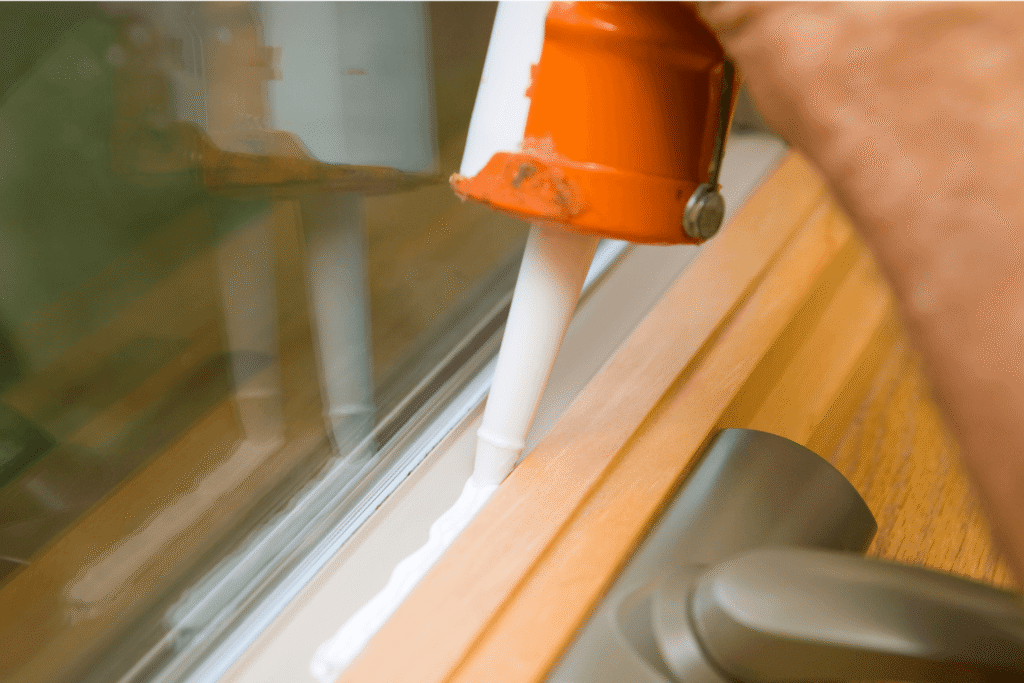
Caulk and sealant around basement window frames break down over time. Small gaps can form between the frame and the concrete or block wall. Those gaps let water and air enter, especially during storms with wind that drives rain against the house.
Minor leaks often start this way. You might see a damp line along the top or sides of the frame after heavy rain, even when the window itself is closed tightly.
Rusted Or Damaged Window Frames
Metal basement window frames can rust. Wood frames can rot or warp. Both conditions reduce the ability of the frame to seal properly. Once a frame is no longer sound, even light rain or snowmelt can seep inside.
Rust flakes, discolored paint, or soft wood are early signs that the frame is failing and that moisture has been present for some time.
Cracked Concrete Or Masonry Around The Window
If the concrete or masonry around the window opening cracks, those cracks can become water paths. Cracks may appear due to natural settling, freeze and thaw cycles, or foundation movement. Water can travel through the crack and appear below or beside the window inside the basement.
How Window Problems Lead To Mold And Hidden Damage
Basement window leaks rarely stay confined to the window sill. Moisture that enters around the window can travel into wall cavities, insulation, and framing. Over time, this can cause several problems.
Mold Growth Around Windows
Mold thrives in damp, shaded areas. Basement window wells and the wall sections around them fit that description. Even small, repeated leaks can keep wood, insulation, and drywall near the window damp enough to support mold.
Signs of mold around basement windows include:
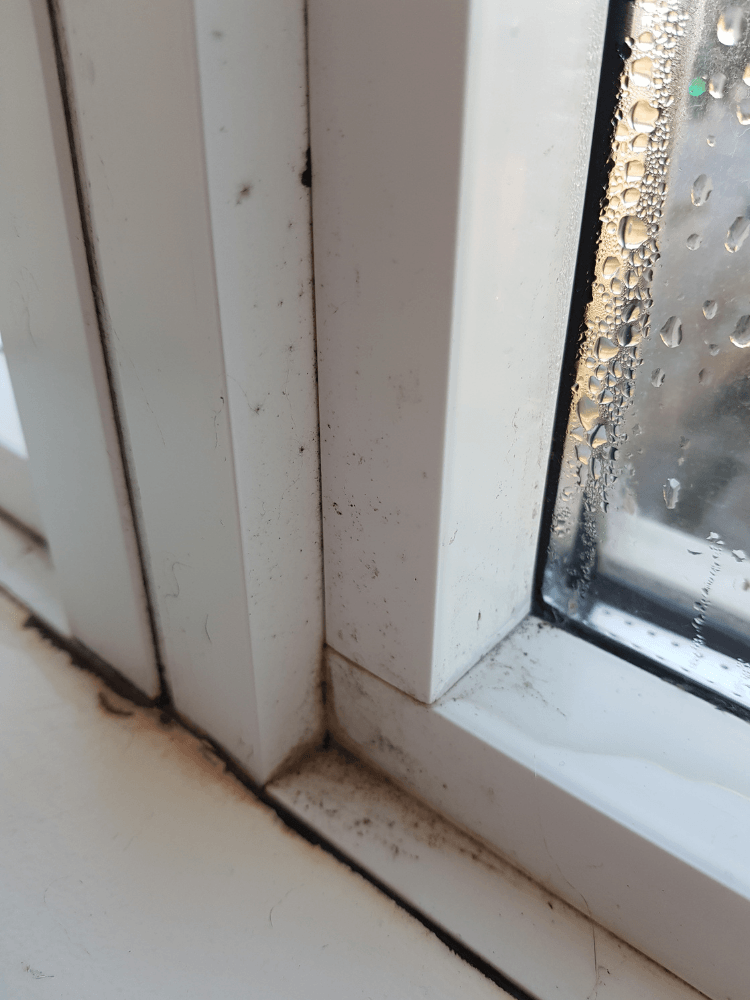
- Black, green, or white spots on the sill or frame
- Musty smells concentrated near the window area
- Staining or soft spots on drywall below or beside the window
Once mold is present, spores can spread into the rest of the basement and the air above.
Damage To Walls And Finishes
Water around windows can cause paint to peel and drywall to bubble or crumble. In unfinished basements, moisture can leave streaks and deposits on concrete or block walls. Efflorescence, the white chalky residue that appears on masonry, is one example. These signs indicate that water is moving through the wall materials, not just resting on the surface.
Impact On Basement Insulation And Framing
If the area around a basement window is insulated or finished, water can damage insulation and wood framing. Wet insulation loses its effectiveness and can hold moisture against wood members. Over time, this can lead to rot or further mold growth.
Warning Signs Homeowners Should Watch For
Basement window issues often begin with subtle signs. Watching for these can help you catch problems early.
Look for:
- Water on the sill or floor below the window after rain
- Dirt, debris, or standing water inside window wells
- Rust on metal wells or frames
- Loose, cracked, or missing caulk around the frame
- Discoloration, soft spots, or peeling paint near the window
- Regular condensation on glass that does not clear with ventilation
If any of these signs appear more than once, especially after storms, they are worth investigating rather than ignoring.
Simple Steps Homeowners Can Take
There are a few basic steps that homeowners can safely try to reduce minor window and window well issues.
Keep Window Wells Clean
Remove leaves, trash, and other debris from wells. This helps water reach any drains and lowers the risk of water pooling. Check wells at least a couple of times a year and after big storms.
Check Well Covers
If your window wells have covers, make sure they are intact and fitted properly. Covers that are cracked or loose can allow water and debris to enter the well instead of keeping them out.
Inspect Caulk Around Frames
When it is dry, look at the caulk lines around the window frame inside and outside. If you see gaps or missing sections, those should be addressed. Fresh caulk can help with minor air and water leaks, but it will not solve deeper structural or drainage problems.
Watch The Area After Rain
Make a habit of checking basement windows after heavy rain. If you see new water, dampness, or staining, take photos. Tracking where and when leaks occur helps professionals diagnose the cause.
When Basement Window Problems Need Professional Help
While cleaning wells and updating caulk are useful tasks, some basement window problems go beyond simple maintenance. It is time to call a waterproofing or foundation specialist when:
- Water repeatedly pools in window wells
- Leaks around windows occur during most storms
- Walls around windows show efflorescence or visible cracks
- Mold appears near windows and returns after cleaning
- The basement has a persistent musty odor centered near window areas
Recurring window leaks often point to larger issues such as poor grading, inadequate downspout drainage, failing window wells, or foundation movement. These problems affect more than just the window opening and should be evaluated in the context of the entire basement and foundation.
A professional can determine whether the solution involves better drainage, new or repaired wells, structural work around the window, or a more complete basement waterproofing system.
Keeping Basement Windows Part Of A Dry, Healthy Space
Basement windows are valuable. They bring light into lower levels and can improve ventilation. To get those benefits without leaks and mold, they must be supported by good drainage, sound frames, and healthy foundation walls.
Pay attention to early signs of trouble around windows and window wells. Take simple steps to keep wells clean and covers in good shape. If problems keep returning, involve a basement waterproofing and foundation expert to make sure water is not quietly damaging the area around those openings.
For homeowners in Western Pennsylvania, a careful look at basement windows can be the first step toward a drier, safer basement and a healthier home overall.