
As winter fades and temperatures begin to rise, many homeowners in Western Pennsylvania notice a frustrating problem: water appearing on the basement floor, seemingly out of nowhere.
If you’re seeing water coming through your basement floor after snow melt, it’s not just leftover moisture from winter, it’s a sign of increasing pressure beneath your foundation. What may look like a minor seasonal issue can actually point to underlying drainage or waterproofing problems that deserve attention.
Understanding why this happens is the first step toward preventing more serious damage as spring progresses.
Why Snow Melt Causes Basement Water Problems
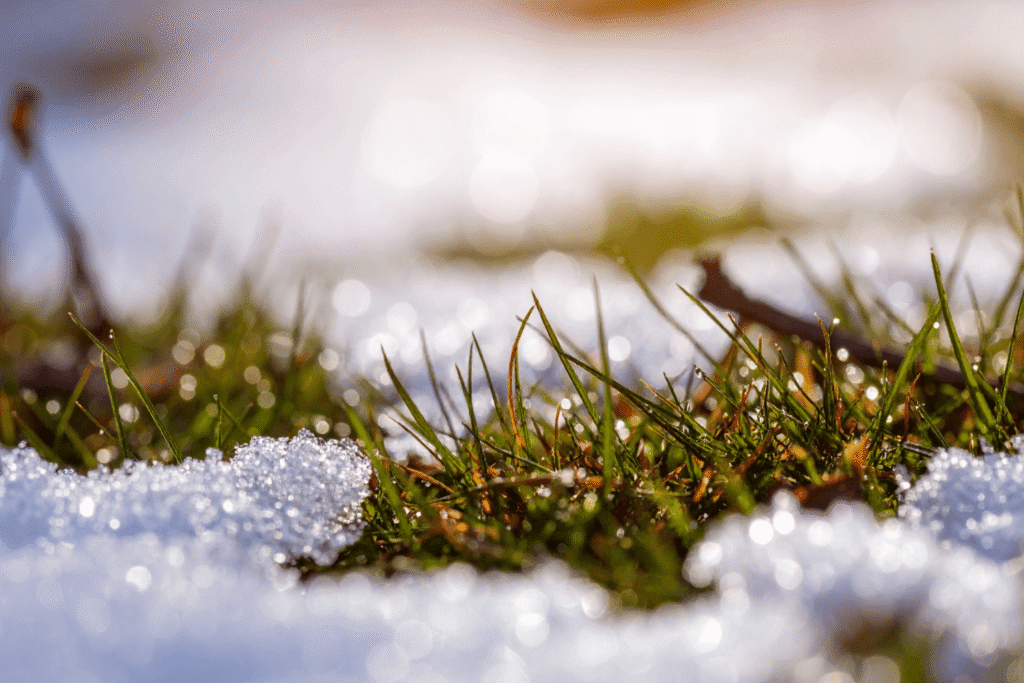
When snow begins to melt, large amounts of water are released into the ground over a short period of time. Unlike rain, which may run off gradually, melting snow saturates the soil deeply and evenly.
As the soil becomes fully saturated, water begins to build up beneath and around your foundation. This creates hydrostatic pressure, which pushes moisture upward through the path of least resistance, often your basement floor.
Concrete may feel solid, but it is actually porous. When pressure builds beneath the slab, water can seep through tiny openings, joints, or imperfections in the concrete.
Why Water Comes Up Through the Floor Instead of the Walls
Many homeowners expect leaks to appear through walls, but during snow melt, water often shows up at the floor level instead.
This happens because pressure builds below the foundation, not just around it. When groundwater rises, it pushes upward against the basement slab. If there’s no drainage system relieving that pressure, water can enter through:
- Hairline cracks in the floor
- The cove joint (where the wall meets the floor)
- Gaps around floor drains or sump pits
This type of intrusion is especially common in homes without modern drainage systems or with aging waterproofing components.
Why This Problem Is Common in Western PA
Western Pennsylvania’s environment makes this issue more likely than in many other regions.
The area’s clay-heavy soil holds water longer, meaning snow melt doesn’t drain quickly. Instead, moisture stays trapped in the ground, increasing pressure around and beneath foundations.
Additionally, freeze–thaw cycles throughout winter can create small cracks in basement floors. When snow melts, those small vulnerabilities become entry points for water.
Older homes in the region are even more susceptible, as many were built without today’s drainage systems or sump pump setups.
Signs the Problem Is More Than Seasonal
It’s easy to dismiss basement water as a temporary issue caused by changing seasons. However, certain signs indicate a more serious underlying problem.
If water appears repeatedly in the same areas, lingers longer than expected, or seems to worsen with each thaw or rainfall, it’s likely that your home is dealing with ongoing pressure, not just a one-time event.
You may also notice damp or humid air, musty odors, or white mineral deposits on concrete surfaces. These are all signs that moisture is consistently interacting with your foundation.
Why Ignoring It Can Lead to Bigger Issues

Even if the water dries quickly, the problem shouldn’t be ignored.
Repeated moisture intrusion can lead to:
- Gradual weakening of concrete
- Mold and mildew growth
- Damage to flooring or finished basement materials
- Increased humidity throughout the home
Over time, what starts as seasonal seepage can turn into more frequent and severe water intrusion, especially as spring rain adds to already saturated soil conditions.
How to Address Water Coming Through Your Basement Floor
Solving this issue requires more than surface-level fixes. Since the problem is caused by pressure beneath the foundation, effective solutions focus on relieving that pressure and managing groundwater.
Common solutions include:
- Interior drain tile systems to redirect water
- Sump pump installation to remove collected groundwater
- Sealing cracks and floor joints
- Improving exterior drainage around the home
The goal is not just to block water, but to control where it goes.
When to Call a Professional
If you’re experiencing water coming through your basement floor after snow melt, it’s a good idea to have your system evaluated, especially before heavy spring rain arrives.
Early intervention can prevent more extensive repairs and help you avoid ongoing moisture issues throughout the year. Reach out to AM Wall Anchor & Waterproofing today for a complimentary consultation and estimate!