
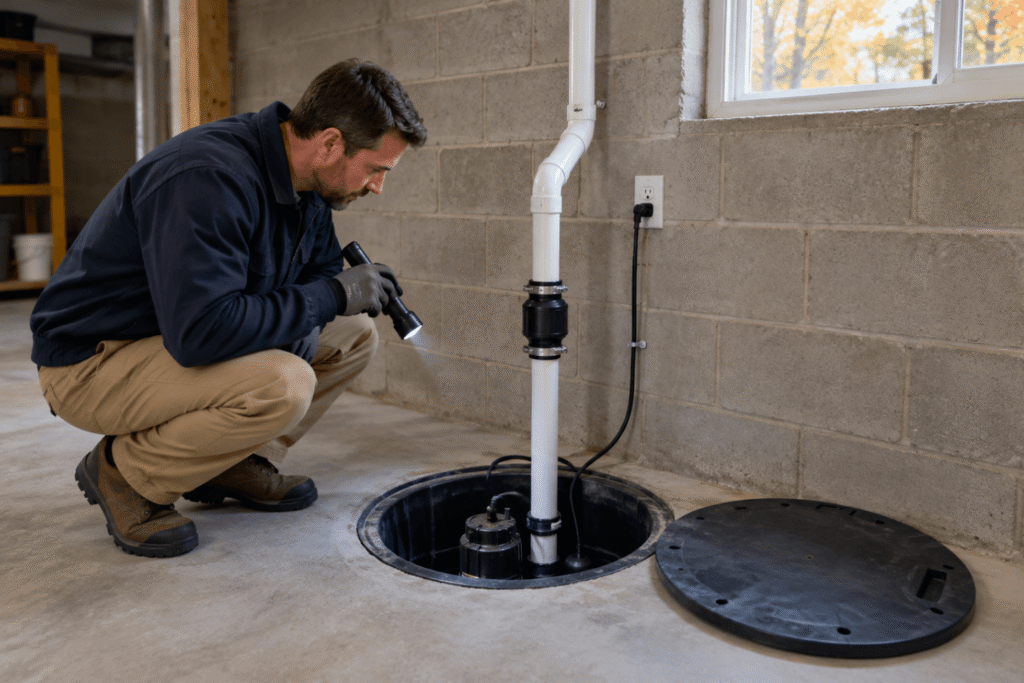
A sump pump does most of its work when homeowners are thinking about something else. It turns on during heavy rain, rising groundwater, or rapid snowmelt, moving water away from the basement before it can become a larger problem. That makes it easy to forget about until the day it does not work.
Fall is a smart time to have a sump pump inspected. Seasonal rain, fallen leaves, and changing temperatures can expose issues that went unnoticed during the summer. A quick inspection before those conditions arrive gives homeowners the chance to find problems early instead of discovering them during a storm.
A Sump Pump Is Part Of Your Basement Waterproofing System
A sump pump is not meant to work alone. It is one part of a larger system that may include interior drainage, a sump pit, discharge piping, gutters, downspouts, and yard drainage. The goal is simple: collect water that reaches the basement drainage system and move it away from the foundation.
When the pump is working correctly, water enters the pit, activates the float, and is discharged safely outside the home. If the pump cannot turn on, cannot move water, or cannot send water far enough away from the foundation, the system may not protect the basement when it is needed most.
A.M. Wall Anchor & Waterproofing offers sump pump installation, French drain installation, downspout drainage, excavation, and basement waterproofing services. These connected services matter because a pump issue may be related to drainage, the discharge line, or another part of the system, not necessarily the pump itself.
Why Fall Is A Good Time For An Inspection
Fall weather can bring steady rain, clogged gutters, and more water moving through the soil around the home. It also comes before winter, when cold temperatures can affect exterior discharge lines and make problems more difficult to address.
A seasonal inspection gives homeowners the opportunity to confirm that the pump activates, clears water effectively, and shuts off as expected. Home-maintenance guidance commonly recommends testing a sump pump before fall rain because a failure during a storm can quickly lead to basement water damage.
For homes in Western Pennsylvania, fall preparation is especially important because a working pump may be needed again during winter thaws and spring snowmelt. An inspection now helps make sure the system is not carrying hidden issues into the wetter months ahead.
What A Sump Pump Inspection Can Identify
A professional sump pump inspection focuses on whether the system is ready to respond when water levels rise. The specific process varies by home and equipment, but an inspection may include checking the pump operation, float switch, sump pit, discharge route, power source, and visible signs of wear.
Pump Operation
The pump should activate when water reaches the appropriate level in the pit. It should remove water efficiently, then shut off once the water level drops. A pump that hesitates, cycles inconsistently, runs constantly, or does not turn off may need attention.
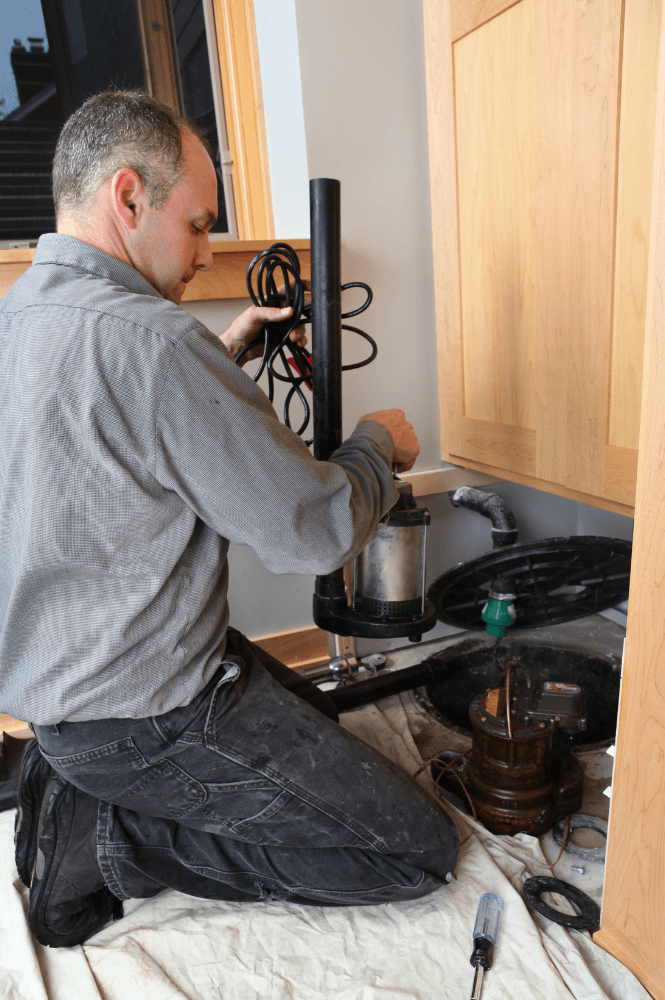
The Float Switch
The float switch tells the pump when to start. If it is tangled, obstructed, or not moving freely, the pump may not activate when water reaches the pit. A float problem may appear small, but it can prevent the entire system from doing its job.
The Sump Pit
Over time, sediment, gravel, and debris can collect in the pit. Too much buildup can interfere with the pump intake or affect how the float moves. An inspection can identify conditions that may keep water from flowing as expected.
The Discharge Line
Water needs a clear path after it leaves the pump. A blocked, damaged, disconnected, or improperly routed discharge line can cause the system to work harder without moving water safely away from the house. A professional will look at whether the route is clear and whether water is being directed away from the foundation.
Backup Power
A sump pump cannot protect the basement if it loses power during a storm. Homes with a battery backup should have that component checked regularly. This is especially valuable during severe weather, when power interruptions can happen at the same time the pump is needed.
Signs Your Sump Pump May Need Attention
Some sump pump problems are obvious. Others only show up as small changes that are easy to overlook. It is wise to schedule an inspection if you notice any of the following:
- The pump does not turn on when water reaches the pit
- The pump runs constantly or more often than usual
- Water remains in the pit after the pump runs
- The system makes grinding, rattling, or unusual sounds
- The discharge pipe appears blocked, damaged, or disconnected
- Water returns to the pit soon after being pumped out
- The basement has new dampness, water staining, or pooling water
- The pump is older and has not been professionally checked in some time
A sump pump that runs frequently is not always failing. During periods of heavy rain, it may simply be doing the job it was installed to do. A sudden change in how often it runs, how loudly it operates, or how well it removes water is worth investigating.
What Homeowners Can Safely Check
Homeowners do not need to take apart their sump pump to keep an eye on it. A few simple observations can help catch concerns before they become an emergency.
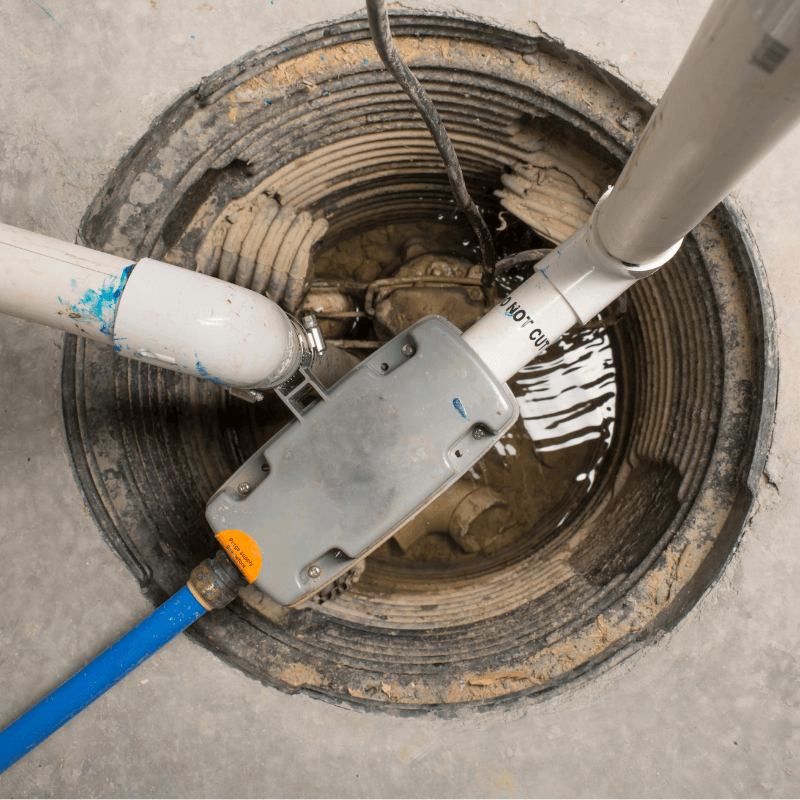
First, look inside the sump pit. There should not be obvious debris blocking the pump or float. Make sure the pump is plugged into a working outlet and that the cord does not appear damaged.
When it is safe and appropriate for the specific system, homeowners can add water to the pit to see whether the float activates the pump and whether water is discharged. Guidance commonly recommends a controlled water test before seasonal storms, but sealed units or systems that are difficult to access should be evaluated by a professional instead.
Outside, look for the discharge point. Confirm that the outlet is not buried under soil, leaves, mulch, or landscaping material. Water needs to be carried away from the foundation, not released directly beside it.
These observations are helpful, but they do not replace a full inspection. If something seems unusual, it is better to have the system checked than to wait for a heavy storm to test it.
Do Not Wait For A Storm To Reveal A Problem
A sump pump failure often becomes apparent at the worst possible time. Heavy rain can overwhelm a basement quickly when a pump does not activate, a line is blocked, or a drainage system cannot move water as designed.
Scheduling an inspection before fall gives homeowners time to address problems in a controlled way. It may also help identify whether the issue is related to the pump itself, the discharge line, interior drainage, or exterior water management.
A.M. Wall Anchor & Waterproofing can inspect the basement conditions that affect sump pump performance and provide solutions involving sump pumps, French drains, drainage work, and basement waterproofing. For homeowners in Western Pennsylvania, a pre-fall inspection is a practical way to prepare for wet weather and protect the basement before the next storm arrives. Give us a call today to schedule your free inspection!