
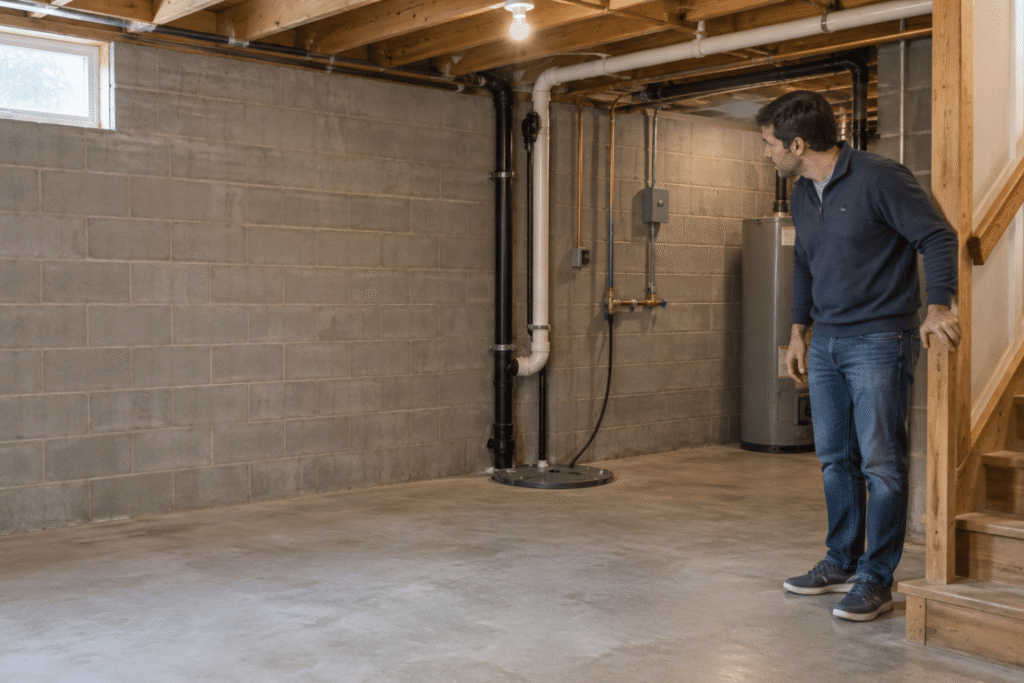
A dripping sound downstairs can be easy to dismiss. So can a brief clunk when the sump pump shuts off or an occasional creak as the weather changes. But when a familiar basement starts sounding different, it is reasonable to wonder whether something needs attention.
Not every basement noise signals a problem. Some sounds come from equipment doing its job. Others deserve a closer look, particularly when they appear alongside visible moisture or changes in the structure.
The key is context. A sound alone cannot diagnose a foundation issue, but noticing when it happens can help a professional identify where to start.
Dripping Or Trickling When No Water Is Running
A dripping noise does not always mean water is leaking through the foundation. Plumbing, condensation on pipes, and water entering a sump pit can all produce similar sounds.
Start by noticing when the noise occurs. Does it begin during rain? Does it continue long after the weather clears? Is it strongest near a window or an exposed pipe?
A sound that follows rainfall and comes with a wet wall or puddle deserves a basement waterproofing evaluation. Water near plumbing may call for a plumber instead. The location of the sound is useful, but it is not enough to confirm its source.
From a dry, accessible area, look for damp patches without moving equipment or opening finished walls. A short recording may also help explain an intermittent noise during an inspection.
A Sump Pump That Suddenly Sounds Different
Sump pumps are not silent. A low hum while the motor runs and a brief rush of water can be part of normal operation. Some systems also make a clunk when the check valve closes. This valve helps keep discharged water from flowing back into the pit.
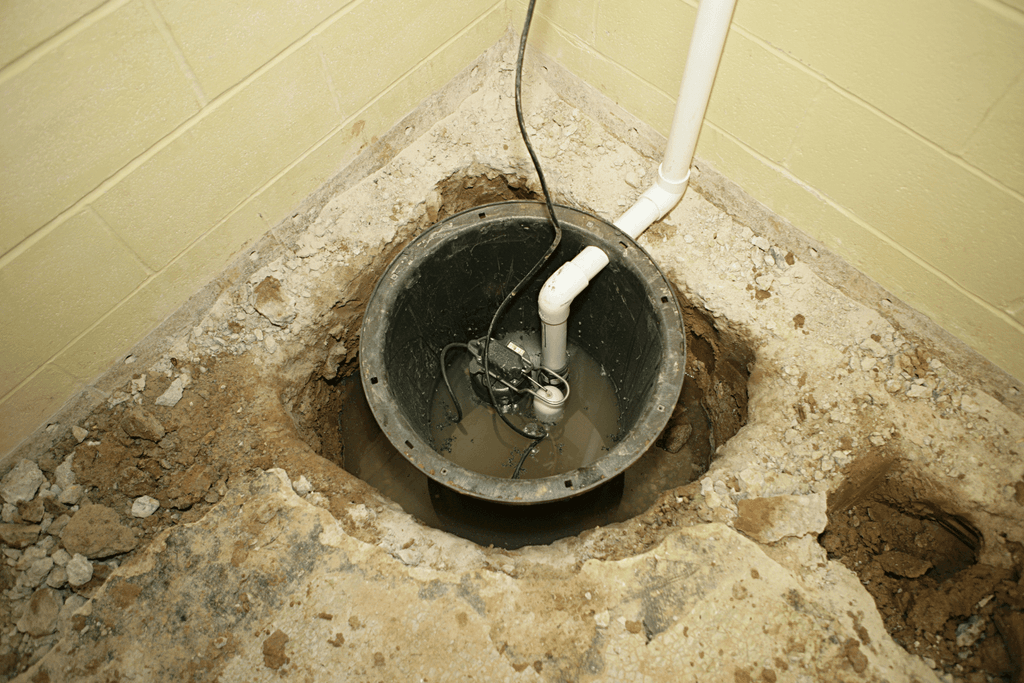
A sudden change matters more than the mere presence of sound. A pump that was once relatively quiet but now grinds or rattles loudly should be checked. Pipe vibration can also create noise, so a loud system does not automatically mean the pump needs replacement.
Pay attention to how the system performs:
- Does the water level drop while the pump runs?
- Is the pump starting and stopping much more frequently than usual?
- Has water appeared on the floor nearby?
- Does the noise continue after the normal pumping cycle?
These observations help distinguish an equipment concern from the sound of a system handling incoming water. They do not replace an inspection. Avoid reaching into the basin or adjusting electrical connections to investigate.
Persistent Running-Water Sounds
Hearing water moving beneath the basement floor can be unsettling, especially when no fixtures are in use.
In a home with an interior drainage system, some water movement may be associated with collection channels directing water toward the sump pit. A sound that appears during wet weather may have a different explanation from one that continues through a dry week.
Do not assume persistent running water is harmless simply because the basement floor looks dry. A plumbing leak can remain concealed, and water intrusion may not appear where it is first heard.
Note whether the noise changes when appliances finish running. If the source remains unclear, arrange an evaluation rather than trying to expose a pipe or drainage channel yourself. A plumber may be the appropriate first call if the sound seems connected to household supply or drain lines.
Banging Or Gurgling Near The Discharge Pipe
A sharp clunk near the sump pump discharge pipe can sound alarming. In some systems, it happens as the check valve closes after a pumping cycle. Moving water may also cause loosely supported piping to vibrate against nearby surfaces.
Gurgling needs context too. Brief water sounds during discharge may be expected, but a new noise combined with poor water removal should not be brushed aside.
Describe the timing to the inspecting professional. “It bangs once when the pump stops” is more useful than “the basement is noisy.” If the sound is getting louder or the pump no longer clears the pit as expected, schedule an inspection.
Adding insulation around a noisy pipe is not a substitute for understanding why the system has changed.
Cracking Or Popping Near Basement Walls
An occasional pop does not prove that a foundation is moving. Sounds can travel through a house, making their origin difficult to locate. A noise that seems to come from a basement wall may originate in nearby framing or mechanical equipment.
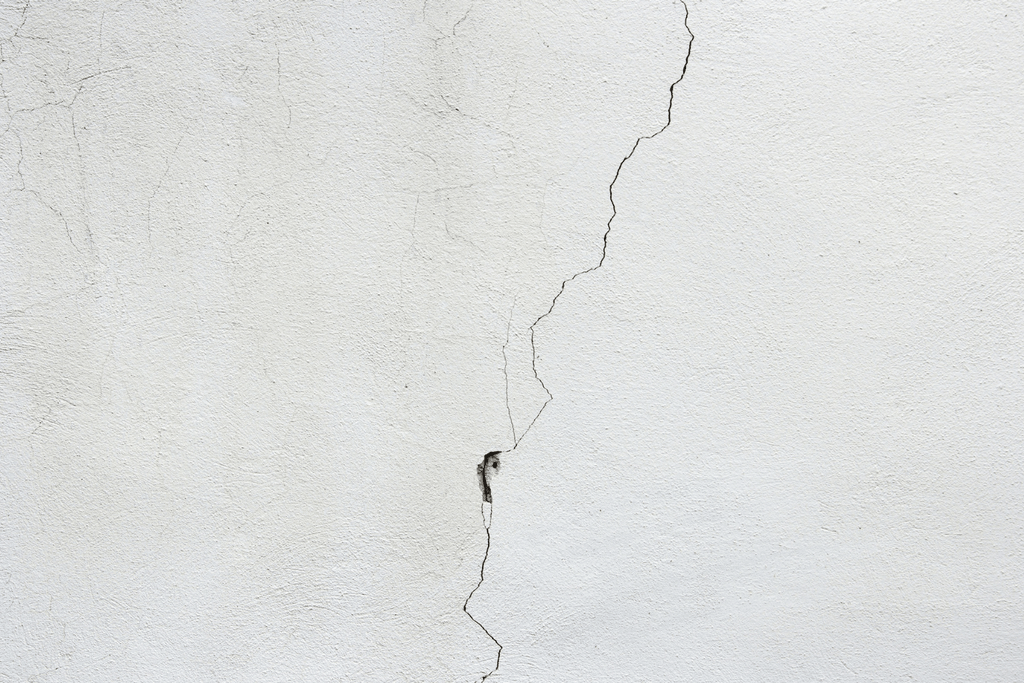
Instead of diagnosing the sound, look for accompanying changes:
- A new crack or one that appears to be widening.
- A basement wall that looks bowed or displaced.
- Doors that have become harder to close.
- A noticeable change in the floor above.
These observations are reasons to seek a foundation evaluation, not proof of a particular repair need. Recording the date and photographing visible changes can help establish whether the condition is progressing.
Sudden movement or falling material warrants prompt attention. Keep away from the affected area rather than staying nearby to investigate.
Beeping From A Sump Pump Or Backup System
An alarm deserves attention even when the basement appears dry.
Depending on the equipment, beeping may indicate a high water level or an issue with backup power. The meaning varies by model, so check the manufacturer’s instructions rather than assuming every alarm signals the same problem.
Do not silence an alarm and forget about it. From a safe location, note any displayed message and contact the appropriate service professional. Never step into standing water to reach electrical equipment.
What To Record Before An Inspection
A few simple details can make an unfamiliar sound easier to investigate:
- Where it seems loudest.
- Whether it follows rain or a pumping cycle.
- How long it lasts.
- Whether it is new or becoming more frequent.
- Any visible dampness or structural change nearby.
A recording can help when the noise stops before the appointment. There is no need to enter an unsafe crawl space or dismantle equipment to collect useful information.
Get Answers Before The Next Heavy Rain
Strange basement sounds are a reason to pay attention, not automatically a reason to panic. A familiar motor hum is different from new grinding. A brief clunk is different from an alarm that keeps returning.
For Western Pennsylvania homeowners, recurring water sounds or unusual noises accompanied by dampness deserve a closer look. Contact A.M. Wall Anchor & Waterproofing to discuss basement moisture or foundation concerns and schedule a professional evaluation. Finding the source is the first step toward deciding what, if anything, needs to be addressed.


