
Your basement’s drain system is one of the most critical components of your home’s water management strategy. Yet in many older homes, that system is decades old; it was designed for a time before heavy rains, high water tables, or finished basements were the norm.
If your home still relies on an old basement drain system, you could be at risk for water intrusion, foundation damage, and poor indoor air quality. The good news? Upgrading your system is one of the smartest investments you can make.
In this guide, we’ll cover what outdated systems look like, the problems they cause, and what modern basement drain replacement involves.
How Old Basement Drain Systems Were Built
Older basement drain systems, especially in homes built before the 1980s, were often simple and short-sighted by today’s standards. Common outdated features include:
- Clay drain tiles: Prone to cracking, collapsing, or root intrusion
- Poor grading or surface-level drainage only
- Non-perforated piping: Limits water intake, leading to pressure buildup
- Lack of sump pump integration
- No vapor barrier or moisture management system
In many cases, the drainage system was installed only on one side of the basement, or not at all.
Signs Your Basement Drain System Is Outdated
You don’t need to rip up your floor to know your drainage system needs an upgrade. Look for these red flags:
Recurring Moisture or Dampness
Even minor wet spots after rain could indicate that your drain system isn’t directing water away properly.
Musty Odors or Mold

Persistent basement smells, mildew on walls, or rusting HVAC units are signs of hidden moisture problems.
Water Stains or Efflorescence
That white powder (efflorescence) on basement walls can be a clue that water is seeping through and evaporating inside.
No Visible Drain or Sump System
If you’ve never seen a sump pump, floor drain, or wall outlet pipe, chances are your system is outdated or incomplete.
Foundation Cracks or Wall Shifting
Over time, poor drainage causes hydrostatic pressure on walls and floors, resulting in cracks, bowing, and structural movement.
Why Outdated Drains Cause Serious Problems
Basement water isn’t just a nuisance; it’s a long-term threat. When your drain system can’t handle the volume or direction of water:
- Hydrostatic pressure builds behind walls
- Water seeps into cracks and joints
- Humidity increases, creating mold conditions
- Structural materials (wood, drywall) begin to decay
If your old basement drain system is failing, it’s not just a matter of wet floors; it’s a threat to your foundation, health, and home value.
Modern Basement Drain Replacement Options
Today’s drainage systems are designed for long-term performance and protection. Common solutions include:
Interior French Drains
Installed around the inside perimeter of your basement, these capture water at the wall-floor joint and channel it into a sump pump. Covered with gravel and concrete, they’re minimally invasive and highly effective.
Exterior Drain Tile Systems
More common in new construction or full foundation excavations, these systems surround the outside of the foundation, blocking water before it reaches your walls.
Sump Pump with Battery Backup
Modern drainage solutions always include a sump pump with a backup power source, crucial during storms or power outages.
Vapor Barriers and Moisture Shields
To further protect finished basements, vapor barriers are installed behind wall coverings to prevent moisture seepage and reduce humidity.
What to Expect with Basement Drain Replacement
If you’re considering replacing an outdated basement drain system, you’re probably wondering about the cost. The reality is that there’s no one-size-fits-all answer.
Several factors influence the scope of a replacement, including:
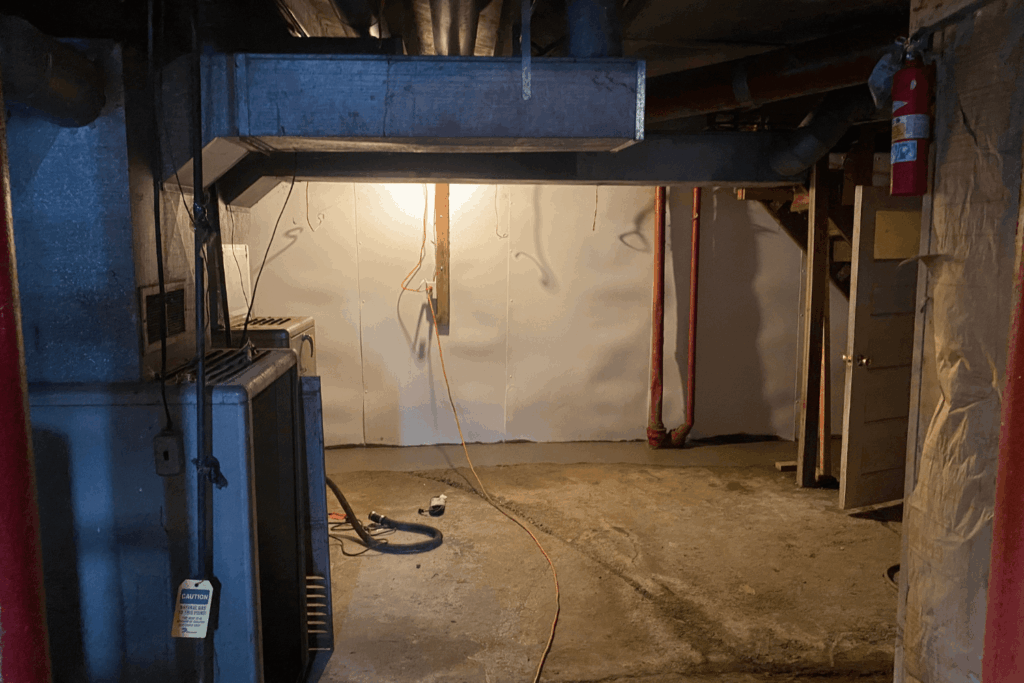
- The size and layout of your basement
- The age of your home and its existing drainage system
- Whether the work involves interior, exterior, or crawl space drainage
- The severity of current moisture or structural issues
Instead of trying to estimate it on your own or relying on generic online averages, your best bet is to schedule a professional assessment. An expert can inspect your current setup, identify vulnerabilities, and recommend the best drainage solution for your home and budget.
At AM Wall Anchor & Waterproofing, we offer honest evaluations and walk you through every step so you know what to expect before any work begins.
Don’t Wait for Water to Show You the Problem
If your home has an old basement drain system, you may already be on borrowed time. Drainage systems are not designed to last forever, and failure often happens when you least expect it.
Replacing or upgrading your system now means protecting your foundation, health, and investment for years to come.
Think your basement drainage might be outdated? Contact AM Wall Anchor & Waterproofing for a full inspection and customized drainage solution built to last.