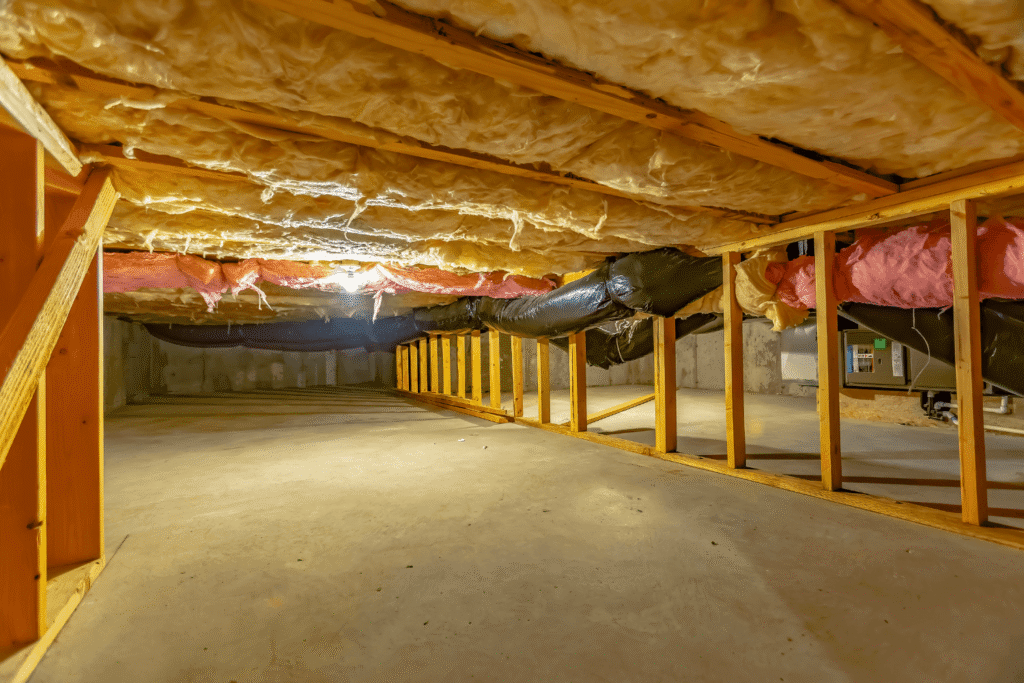
Most homeowners do not spend much time thinking about their crawl space. It is dark, cramped, and out of sight; easy to forget about until something goes wrong. But what happens in your crawl space does not stay there. Moisture, mold, pests, and structural issues under your home can create problems you notice in the rooms you use every day.
Understanding common crawl space problems and how they affect the rest of the house can help you spot early warning signs and know when it is time to call a professional.
What A Crawl Space Does For Your Home
A crawl space is the shallow area between the ground and the first floor of your home. In many Western Pennsylvania houses, it contains important parts of the structure and mechanical systems:
- Floor joists and beams that support your first floor
- Plumbing lines and sometimes ductwork
- Electrical and utility lines
Because it is close to the soil and often has limited ventilation, the crawl space is very sensitive to moisture and temperature changes. When conditions there are not controlled, they can lead to problems that move upward into the living space.
Common Crawl Space Problems
There are several issues that show up again and again in crawl spaces.
Excess Moisture And Standing Water
Moisture is the most common crawl space problem. It can come from:
- Groundwater seeping up from the soil
- Poor drainage around the foundation
- Plumbing leaks
- Humid outdoor air entering through vents or gaps
When moisture lingers, the air in the crawl space becomes damp and musty. Wood framing, insulation, and stored items can all absorb that moisture.
Mold And Mildew Growth

Where there is moisture, mold and mildew are not far behind. Crawl spaces are dark, quiet, and often warm enough for mold to thrive on:
- Wood joists and beams
- The underside of subflooring
- Fiberglass insulation
- Cardboard or other materials left under the house
Mold growth in the crawl space does not stay contained. Spores can travel upward into living areas through gaps around plumbing, wiring, and floor openings.
Sagging Or Bouncy Floors
If moisture affects wood framing for long enough, joists and beams can begin to soften, warp, or rot. You may notice:
- Floors that feel bouncy or uneven
- Soft spots in certain rooms
- Cracks in tile or separating floorboards
These can be signs that the crawl space structure is struggling to support the weight of the house the way it should.
Pest Activity
Damp, sheltered crawl spaces are attractive to pests such as insects and rodents. They can damage insulation, chew wiring, and leave droppings that affect air quality. While pests are often a symptom of a deeper moisture problem, they are still important to address.
Falling Or Wet Insulation
Fiberglass insulation installed between floor joists is very common in crawl spaces. When it gets wet, it becomes heavy and can sag or fall. Wet insulation loses most of its insulating value and can hold moisture against the wood above it, increasing the risk of mold and rot.
How Crawl Space Problems Affect The Rest Of Your Home
Even if you never crawl underneath your home, you can still feel the impact of what is happening down there.
Musty Odors And Poor Air Quality
Air moves upward through a house. That means a portion of the air you breathe on the first floor has passed through or near the crawl space. If the air under the home is damp, musty, or moldy, some of that smell and those particles will make their way into your living spaces.
You might notice:
- A persistent musty smell in certain rooms or closets
- Worsening allergy or asthma symptoms
- Dustiness that seems to return quickly after cleaning
- These can all be connected to air coming from an unhealthy crawl space.
Uneven, Cold, Or Bouncy Floors
When crawl space moisture damages structural supports, the floors above can begin to sag or feel uneven. Even without major damage, poor insulation and air leaks in the crawl space can make floors feel colder in winter and contribute to drafts.
Over time, unresolved crawl space issues can lead to more noticeable structural concerns, such as:
- Doors that do not close properly
- Cracks in drywall near doorways or ceilings
- Gaps between baseboards and flooring
Higher Energy Bills
A damp, unsealed crawl space can work against your heating and cooling system. In winter, cold air under the home can pull warmth out of the floors and rooms above, forcing your furnace to run longer. In summer, humid air from the crawl space can make the home feel muggy, increasing the load on your air conditioning.
If your energy bills seem high for the size of your home and you know the crawl space is untreated or damp, that space may be part of the reason.
Trouble When It Is Time To Sell
Home inspectors pay close attention to crawl spaces because they reveal a lot about the health of the home. Standing water, mold, sagging insulation, or damaged framing can all raise red flags during a sale and may lead to repair requests or lost buyers.
Taking crawl space problems seriously now can save time and stress when you eventually decide to sell.
Signs Your Crawl Space Needs Attention
You do not have to crawl under the house yourself to suspect there might be an issue. Common surface‑level signs include:
- Musty odors that never quite go away
- Floors that feel soft, bouncy, or uneven
- Cold floors in winter, even with good heating
- Increased allergy or breathing issues at home
- Higher energy bills without another clear cause
If you are comfortable and it is safe to do so, a quick visual check with a flashlight at the crawl space entrance can also be revealing. If you see standing water, obvious mold, drooping insulation, or extensive pest droppings, it is time to call a professional.
Why Crawl Space Problems Are Not A DIY Project

While it may be tempting to “dry things out” with a fan or throw down some plastic on the ground, crawl space moisture and structural issues are not simple weekend projects. Working in a tight, enclosed area with potential mold, pests, and low clearance carries health and safety risks. It is also easy to miss deeper problems, such as structural movement or hidden leaks.
A professional who focuses on crawl spaces and foundation work can:
- Identify where moisture is coming from
- Check the condition of joists, beams, and subflooring
- Evaluate existing vents, insulation, and vapor barriers
- Recommend solutions such as encapsulation, drainage improvements, or structural reinforcement
The goal is not just to clean up what you see, but to correct the conditions that allowed the problem to form in the first place.
Protecting Your Home From The Ground Up
Your crawl space might be out of sight, but it should not be out of mind. Problems under your home can affect comfort, air quality, energy efficiency, and even structural stability above. Paying attention to early signs, musty smells, uneven floors, or changing energy bills, can help you catch crawl space problems before they turn into major repairs.
If you suspect crawl space issues in your Western Pennsylvania home, consider scheduling a professional inspection with a local foundation and waterproofing specialist. They can help you understand what is happening under your home and what it will take to keep the crawl space dry, stable, and protected for the long term.