
Foundation issues can feel random when they appear: a crack in the basement wall, a door that won’t close properly, or a section of wall that seems slightly uneven. But in Western Pennsylvania, foundation movement is rarely random.
The region’s soil composition, climate patterns, and terrain create conditions that naturally stress foundations over time. Understanding why foundation movement in Western PA is so common helps homeowners recognize that these problems are environmental and preventable, with the right structural solutions.
If you live in this area, your home is constantly responding to forces beneath the surface.
The Role of Clay Soil in Foundation Stress
One of the most significant contributors to foundation problems in Western Pennsylvania is the prevalence of clay-heavy soil.
Clay behaves very differently from sandy or loamy soil. When it absorbs water, it expands. When it dries, it contracts. This repeated swelling and shrinking creates constant movement around your foundation walls.
During wet seasons, saturated clay becomes heavier and pushes laterally against basement walls. During dry spells, shrinking soil can create voids that reduce support beneath portions of the foundation. Over time, this cyclical pressure leads to cracking, shifting, and inward wall movement.
Unlike regions with fast-draining soil, Western PA foundations remain under sustained pressure after storms because clay retains moisture longer. That extended saturation period increases hydrostatic pressure against basement walls, especially during spring.
Freeze–Thaw Cycles Accelerate Damage
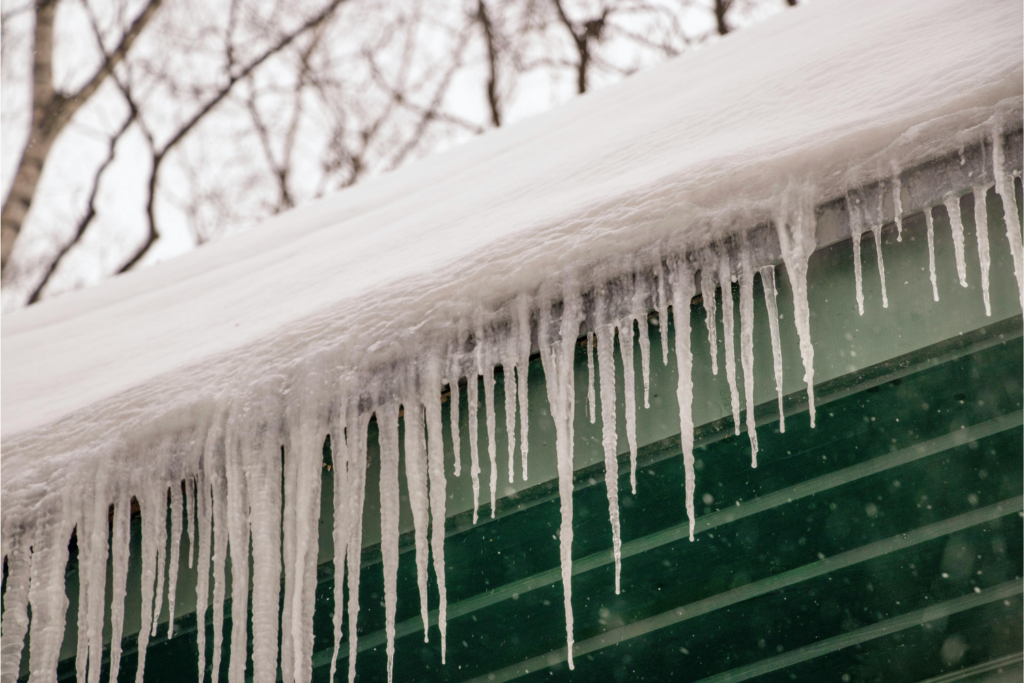
Western Pennsylvania experiences frequent freeze–thaw cycles, particularly in late fall, winter, and early spring. These temperature swings play a major role in foundation deterioration.
When water seeps into small cracks within concrete or mortar joints and then freezes, it expands. As temperatures rise and fall repeatedly, the freeze–thaw cycle widens those cracks incrementally.
Over multiple seasons, what began as a minor surface crack can evolve into significant structural movement. Mortar joints weaken, concrete loses integrity, and the foundation becomes more susceptible to lateral soil pressure.
This is one reason homeowners often notice worsening cracks in early spring. The damage didn’t occur overnight; it developed gradually through winter.
Hillside Construction and Uneven Pressure
Western PA’s rolling terrain adds another layer of stress to foundations. Many homes are built into hillsides or sloped lots. While this may provide beautiful views, it also increases lateral soil pressure on downhill foundation walls.
Gravity naturally pulls saturated soil downward. When heavy rain or snowmelt occurs, soil on the uphill side of a property becomes heavier and shifts toward the foundation. That added force often concentrates on one section of the wall, leading to bowing or horizontal cracking.
Homes built on slopes tend to experience uneven pressure distribution, which makes structural reinforcement, such as wall anchor systems, more common in this region.
Aging Homes and Outdated Construction Methods
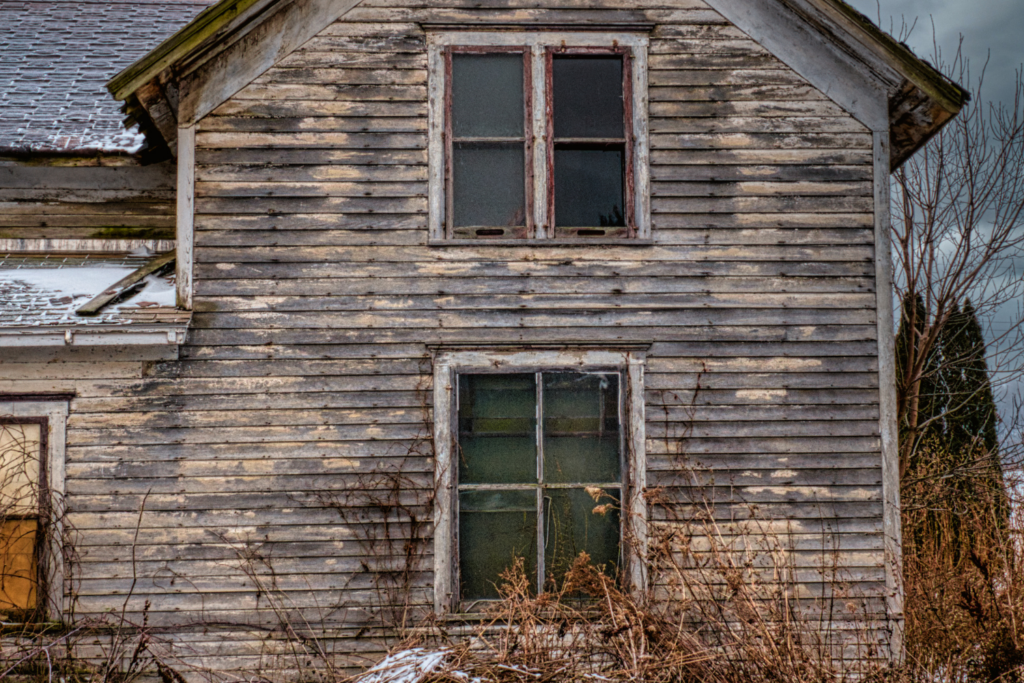
Western Pennsylvania has a large inventory of older homes, many built decades before modern drainage standards were widely adopted.
Older foundations often lack:
- Effective perimeter drainage systems
- Modern waterproof membranes
- Reinforced concrete designs
- Proper backfill compaction
Without adequate drainage, groundwater accumulates around the foundation. Over time, that persistent moisture increases hydrostatic pressure and accelerates wall movement.
Even well-built homes can experience structural stress if drainage systems deteriorate or become clogged. As systems age, water has fewer pathways to escape, and pressure builds against foundation walls.
Why Spring Is the Breaking Point
Late winter and early spring create peak conditions for foundation movement in Western PA. Snowmelt combines with seasonal rain, oversaturating already moisture-heavy soil.
This period increases:
- Hydrostatic pressure against basement walls
- Soil expansion due to water absorption
- Structural stress along weakened mortar joints
Spring is often when homeowners first notice visible warning signs: cracks widening, walls beginning to bow inward, or minor seepage appearing along the wall-floor joint.
It’s important to understand that spring doesn’t cause foundation problems. It reveals them.
Recognizing the Signs of Foundation Movement
Foundation movement tends to progress gradually. Early detection can prevent more extensive repairs later.
Common warning signs include horizontal cracks across block walls, stair-step cracking along mortar joints, inward bowing at the center of a wall, and gaps forming where walls meet floor joists.
These indicators suggest that soil pressure has begun to overcome the wall’s structural resistance. Addressing the issue early often allows for stabilization before severe structural compromise occurs.
Stabilizing Foundations in Western PA
Because foundation movement in Western PA is largely driven by soil pressure, effective solutions focus on counteracting that force.
Wall anchor systems are commonly used to stabilize bowing or leaning foundation walls. Anchors extend into stable soil beyond the pressure zone and provide resistance against inward movement. Over time, they can even help restore walls closer to their original position.
Drainage improvements are also critical. Relieving hydrostatic pressure reduces ongoing stress and protects structural repairs from future movement.
The key is addressing both the symptom (wall movement) and the cause (soil pressure and moisture accumulation).
Local Conditions Require Local Expertise
Foundation behavior varies dramatically by region. Solutions that work in sandy coastal areas may not address the clay-driven pressure common in Western Pennsylvania.
Working with professionals who understand local soil mechanics and seasonal stress patterns ensures that repairs are designed for long-term stability, not temporary patchwork.
Foundation movement here is not unusual. But ignoring it can lead to serious structural consequences.
Protecting Your Home from Regional Foundation Stress
If you’ve noticed cracking, bowing, or shifting in your basement, it may be the natural result of the environmental forces surrounding your home.
Western Pennsylvania’s soil and climate create constant pressure on foundations. The question isn’t whether your home experiences that pressure; it’s how well it’s resisting it.
AM Wall Anchor & Waterproofing specializes in stabilizing homes throughout Western PA using structural solutions designed specifically for this region’s conditions. If you’re concerned about foundation movement, scheduling an inspection now can prevent minor stress from becoming major structural damage.